
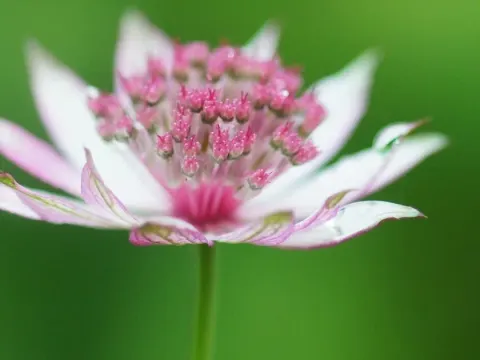
Astrantia hybrid
Astrantia hybrids
Seed propagation of Astrantia hybrid requires prior cold stratification for 1–2 months at low positive temperatures. The optimal time for sowing in open ground is late autumn, in October, or early spring after the cold requirement has been met.
What the section contains
Astrantia hybrid
For greenhouse seedling production, sow seeds in February or March into a loose, well-draining substrate. Keep the trays at approximately 20°C, and move them to a cooler, well-lit location after germination to prevent etiolation of the seedlings.
Astrantia seedlings develop quite slowly, so it is essential to provide consistent moisture and protection from harsh direct sunlight. Transplant the seedlings into individual pots once they have developed their first two sets of true leaves.
Plants can be moved to their permanent location in the garden in late May, once the danger of late frost has passed. Planting distance varies by variety, typically 30–40 cm apart to ensure adequate air circulation and prevent fungal issues.
Vegetative propagation by division is recommended for spring or autumn. This is the preferred method to maintain the specific traits of the hybrids, as offspring grown from seeds may exhibit variations and lose the characteristics of the parent plant.
Astrantia hybrid belongs to the Apiaceae family and thrives in partial shade. While the plant can tolerate sunny spots, this requires strict moisture management, as excessive heat and dryness can significantly reduce the decorative appeal of its leaves and flowers.
This species requires fertile, humus-rich, and moderately moist soil. Ideal growing media are neutral to slightly acidic, offering good water retention while preventing waterlogging, which can be detrimental to the root system.
Regular watering is crucial during the growing season, especially in arid periods. Allowing the root ball to dry out completely will lead to a decline in flower quality and may cause the blooming period to end prematurely.
Apply balanced mineral fertilizers for flowering perennials twice per season: once in early spring to support vegetative growth and again during the budding stage to promote prolific flowering.
The plant is frost-hardy and generally survives winter in temperate zones without special coverage. However, applying a layer of compost or peat mulch around the base helps retain soil moisture and protects the crown from extreme temperature fluctuations.
The yield of Astrantia hybrid is measured by the number of flower stems produced per plant. When managed with proper agronomic care, a mature, healthy specimen can produce between 10 and 30 high-quality flower heads per season.
The primary use for this crop is in landscape gardening and as a high-quality cut flower. Florists value Astrantia for its unique pincushion-like inflorescences and long vase life, often remaining decorative for up to 14 days after cutting.
To maximize flower stem production, deadhead spent flowers promptly. This practice not only encourages the plant to initiate a second flush of blooms later in the summer but also prevents the plant from wasting energy on seed set.
Clumps should be divided every 5–7 years to rejuvenate the planting. Over time, the center of an Astrantia clump can become sparse, reducing the overall aesthetic quality and stem yield, making periodic division a vital maintenance task.
In commercial flower farming, productivity depends heavily on the quality of the starting stock. Utilizing selected hybrid cultivars ensures larger, more vibrant blooms, which significantly increases the market value of the harvested stems.
Astrantia hybrid is generally resistant to most common diseases. However, poor air circulation and excessive moisture in dense plantings can trigger fungal infections, such as powdery mildew, which affects foliage health.
Root rot may occur if the soil is overly heavy or if poor drainage leads to water accumulation. Proactive management of irrigation and the use of well-aerated substrates are the most effective ways to mitigate this risk.
Pests such as aphids and spider mites are the most common problems. Spider mites, in particular, are a threat during hot, dry weather when low ambient humidity facilitates rapid population growth.
Slugs and snails can cause substantial damage to young foliage, particularly in damp conditions. Both biological control methods and specialized molluscicides applied around the base are effective strategies for managing these populations.
To minimize disease and pest threats, maintain clear beds by removing dead vegetation, provide sufficient space between plants for airflow, and ensure that the root crown does not stay waterlogged.
Harvesting for floral use should occur when the inflorescences are fully open but have not yet begun to fade. Use a sharp, sterilized secateur to make a clean cut that minimizes tissue damage to the parent plant.
To ensure maximum vase life, place the cut stems into clean water immediately. It is recommended to strip away any lower leaves that might sit below the waterline to prevent bacterial decay, which can prematurely wilt the flowers.
Autumn harvest of the foliage occurs after the first hard frost has caused the stems and leaves to wither. Cut the plant back to ground level, leaving short stalks to protect the dormant root buds during the winter months.
If harvesting for seeds, leave the most robust flower stems on the plant until they are fully mature. Signs of readiness include the browning of the seed heads and easy detachment of the fruits upon light contact.
Once collected, dry the seeds thoroughly in a well-ventilated area at a moderate temperature, clean them of any debris, and store in paper envelopes until the next planting season.