
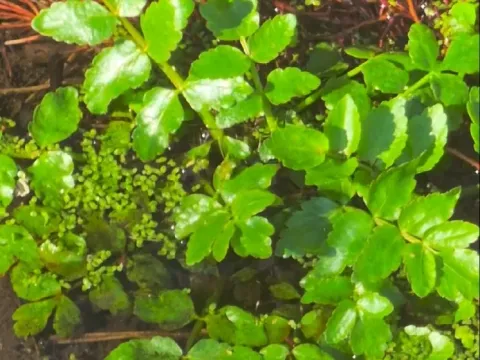
Berula
Berula
Berula, specifically Berula erecta, belongs to the Apiaceae family. It is a perennial herbaceous plant known for its semi-aquatic growth habit and preference for damp environments.
What the section contains

Berula
The native range of this species extends across temperate regions of the Northern Hemisphere, where it thrives along streams, in marshes, and on the banks of ponds.
The crop requires high soil moisture and performs best in organic-rich, silty soils. It is particularly sensitive to soil compaction and prefers loose, well-aerated substrates.
Full sun exposure is essential for the healthy development of this plant. While it is hardy in cold climates, it must be protected from extreme drying out during the peak growing season.
Historically, it has been used in aquatic landscaping and as a botanical reference, requiring specific management of water levels to maintain plant vigor throughout the year.
Common fungal diseases, such as leaf spot and powdery mildew, often affect the plant when air circulation is poor or humidity levels fluctuate excessively.
Pests like aphids and spider mites can infest the foliage, particularly during dry spells, causing yellowing and stunted plant growth.
Slugs and snails present a significant threat to young plants, as the moist environment required for Berula growth also attracts these garden pests.
Root rot is a critical threat that arises in stagnant water conditions, making water management a key component of a healthy agronomic strategy.
Integrated pest management should focus on removing decaying organic matter and ensuring that the water source remains clean and sufficiently oxygenated to support the plant.