
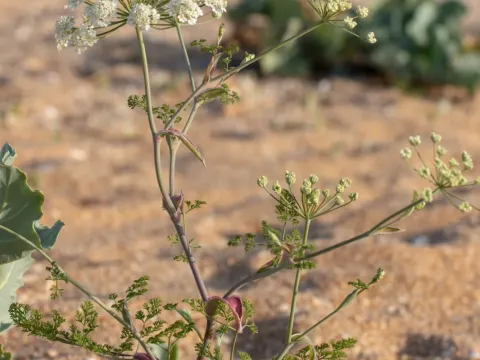
Astrodaucus
Astrodaucus
Astrodaucus is a genus of herbaceous plants belonging to the Apiaceae family. These plants are typically perennial or biennial, possessing a well-developed taproot system and highly dissected leaves, which are hallmark features of the carrot family.
What the section contains


Astrodaucus
The native range of this genus is concentrated in Southwest Asia, the Caucasus region, and the Mediterranean basin. These plants are generally found in dry, stony, and mountainous terrains, adapted to rugged climatic conditions with significant temperature fluctuations.
Botanically, Astrodaucus is characterized by complex umbel inflorescences. The fruits are typically covered in prickles or scales, which are essential for taxonomic classification and reflect the evolutionary adaptation of the genus to ensure seed dispersal.
Environmental requirements include a preference for well-drained, porous soils with a neutral to slightly alkaline pH. The plant is drought-tolerant, capable of thriving in areas with low rainfall, provided it receives sufficient solar radiation for photosynthesis.
Regarding хозяйственное use, Astrodaucus is currently researched for its essential oil composition. Some species are of potential interest for pharmaceutical applications due to the presence of secondary metabolites with bioactive potential.
The primary diseases affecting Astrodaucus are fungal pathogens such as powdery mildew and various leaf spot fungi. These typically occur when environmental conditions involve high humidity without adequate air circulation.
Pests such as aphids and specific hemipteran bugs are major threats. They focus their feeding on the umbels and developing seeds, which directly impacts the reproductive success and future propagation of the crop.
Soil-borne pests like wireworms pose a significant risk to the taproot, especially in the establishment phase of the plant. Proper soil preparation and monitoring are essential to prevent significant stand loss.
Nematode infestations can also occur in lighter, sandy soils. Crop rotation practices are strongly recommended to break the life cycle of these persistent soil pathogens and ensure crop health.
Effective management strategies include integrated pest control, where mechanical weed removal and targeted biological or chemical interventions are applied based on threshold monitoring to ensure sustainable plant development.