
Guilleminea lanuginosa
Guilleminea lanuginosa
Description
Growing requirements
Guilleminea lanuginosa is a perennial herbaceous plant belonging to the Amaranthaceae family. This species is recognized for its prostrate, spreading growth habit, which allows it to form dense mats across the ground surface in its native habitats.
The plant is indigenous to the Americas, ranging across various climates including arid and semi-arid regions of North and South America. It is naturally adapted to survive in harsh environmental conditions, often thriving in sandy or gravelly soils where water is scarce.
Cultivation requires well-drained soil conditions to prevent the physiological stresses associated with excessive moisture. The species prefers sun-exposed locations and displays remarkable physiological efficiency in utilizing direct solar radiation for photosynthesis.
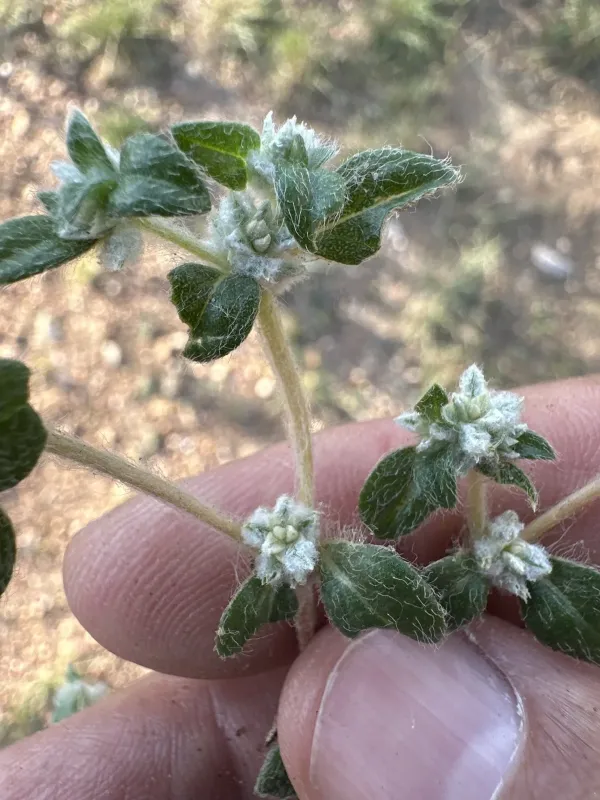
Botanically, the plant is characterized by its distinct woolly pubescence, which covers its stems and leaves. This structural adaptation serves to minimize water loss through transpiration, providing a critical survival mechanism in high-temperature environments.
In terms of хозяйственное usage, the plant has been explored for its potential in soil stabilization and erosion control projects. Its resilience makes it a suitable candidate for land reclamation in degraded areas where other more sensitive crops would struggle to survive.
Main diseases and pests
The primary threats to the health of this crop are pathogens associated with poorly drained soils, such as root rot. Ensuring adequate aeration and avoiding waterlogging is the most effective preventative measure against these infections.
Insect pests, particularly various species of aphids and beetles, can cause significant damage to the vegetative parts of the plant. Regular field scouting is necessary to identify and manage pest populations before they reach economic damage thresholds.
Competition from aggressive, fast-growing weeds often poses a challenge during the establishment phase of the crop. Manual or mechanical weeding is essential during the early development stages to reduce competition for nutrients and space.
Unfavorable weather extremes, particularly severe frost combined with poor drainage, can damage the crown of the plant. Despite its general hardiness, the species may show reduced vigor if exposed to sustained environmental stressors that deviate from its natural range.
Maintaining crop health requires an integrated approach that includes proper site selection and monitoring for the first signs of stress. By creating an environment that mimics its natural habitat, producers can ensure consistent growth and survival.