
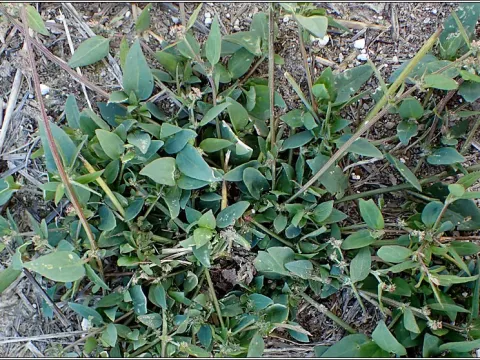
Gustafsson's saltbush
Atriplex gustafssoniana
The sowing of Gustafsson's saltbush is typically performed in early spring once soil temperatures reach 8–10 degrees Celsius. Adequate soil moisture is essential during this stage to ensure rapid and uniform seed germination.
What the section contains
Gustafsson's saltbush
Proper seedbed preparation is vital to ensure good contact between seeds and the soil. The recommended sowing depth is between 1 and 2 centimeters, depending on the specific soil structure and moisture levels.
Wide-row planting, with row spacing of approximately 45 to 60 centimeters, is recommended to allow each plant enough room to develop a strong root system and vegetative mass.
In arid regions, planting density should be adjusted to minimize competition for available water resources. Proper spacing is key to maintaining consistent growth throughout the season.
Firming the soil after planting is an essential step to enhance capillary water movement toward the seeds, ensuring they remain hydrated during the critical early stages of emergence.
Gustafsson's saltbush belongs to the Amaranthaceae family and is a specialized halophyte. Its primary biological feature is its ability to thrive in highly saline environments where other crops fail.
This crop shows exceptional tolerance to extreme weather conditions, including prolonged heat and drought. It is highly valued for its ability to survive in harsh, saline soil conditions that limit most agricultural activities.
The plant prefers well-aerated sandy or loamy soils. Although it performs best in well-drained areas, it is resilient enough to handle temporary waterlogging or poor soil structure.
As a light-loving species, it requires an open area with full sun exposure. Inadequate sunlight can lead to stunted growth and reduced biomass, which significantly lowers the overall yield.
The soil pH is not a limiting factor for this species, as it is naturally adapted to a wide range of chemical conditions, including the highly alkaline soils typically found in saline territories.
The biomass yield of Gustafsson's saltbush largely depends on soil mineral content and available precipitation during the growing season. On average, farmers can expect 1.5 to 3.0 tons of dry matter per hectare.
Effective weed control during the early stages of plant development is crucial for reaching maximum yield. Weeds can significantly compete for limited nutrients, negatively impacting the plant's final biomass.
This crop is primarily used as a high-protein livestock fodder. It is well-regarded for its ability to provide nutritious grazing material in regions where standard forage crops cannot be grown.
When used as a green manure or cover crop, the plant provides excellent organic matter to improve soil structure. In such instances, the yield is measured by the total biomass incorporated into the soil.
Nutrient management, specifically the application of nitrogen, can boost vegetative growth. Properly fertilized stands show faster recovery after cutting, increasing the total annual yield.
The most common health issues for Gustafsson's saltbush are fungal diseases, particularly powdery mildew, which can develop in high-humidity conditions. Proper ventilation and air circulation are essential for prevention.
Pests such as leaf beetles and weevils may cause damage to the foliage and stems. Monitoring the crop regularly for signs of infestation is vital to prevent widespread damage across the fields.
Crop rotation is the most effective way to prevent the buildup of soil-borne pathogens. It is advised to avoid planting saltbush on the same plot for consecutive years if pests have been previously noted.
Biological control agents are recommended in modern farming to manage pest populations while preserving the local ecosystem. Using natural predators can minimize the need for chemical interventions.
If chemical treatment becomes necessary, it should be carried out according to local agricultural regulations to ensure the safety of the forage material and the environment.
Harvesting should occur during the peak vegetative phase, before the plants begin to lignify and bloom. This timing ensures the highest nutrient concentration for livestock feed.
For hay production, the plants are mowed and allowed to dry in swaths. Proper windrow management is important to ensure the biomass dries evenly, preventing mold formation during storage.
Seed harvesting requires a more specialized approach, involving combine harvesting once the seeds are fully mature. Care must be taken to minimize seed shattering during the cutting process.
Post-harvest cleaning using seed separators is necessary to remove impurities like sand or crop debris. A clean seed stock is crucial for achieving high germination rates in the next cycle.
Crop residues left after harvest should be shredded and incorporated into the soil. This practice helps maintain soil fertility and protects the land from wind erosion in dry climates.