
Digera
Digera
Digera is a genus of flowering plants belonging to the family Amaranthaceae. The most prominent species, Digera muricata, is an annual herb widely recognized in tropical Asia and Africa. It is cultivated and harvested as a leafy vegetable and serves as a significant source of fodder for livestock in various arid and semi-arid regions.
What the section contains
Digera
The plant originates from warm climates and is well-adapted to environments where other vegetables might struggle. It is often found as a weed in cultivated fields, yet it is highly valued for its nutritional density, containing essential proteins, vitamins, and minerals that contribute to local food security.
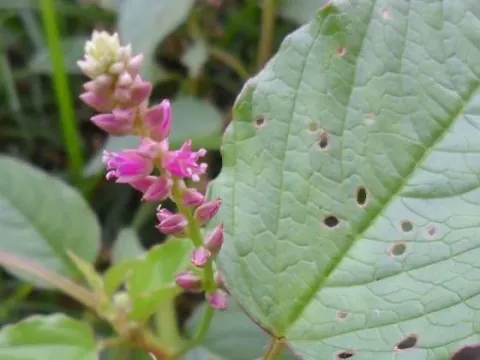
Botanically, Digera is characterized by its branching stems and alternate leaves. The inflorescences are small, spike-like racemes. The plant has a robust root system that helps it withstand drought conditions, making it an excellent candidate for cultivation in areas with irregular rainfall patterns.
The economic utility of Digera is twofold: it is used as a green leafy vegetable in human diets, often prepared similarly to spinach, and it acts as a reliable fodder crop. In many subsistence farming systems, it is treated as a dual-purpose plant, enhancing the sustainability of small-scale agricultural practices.
Current agronomic research focuses on the selection of high-yielding varieties and the optimization of cultivation techniques to promote its use in modern sustainable agriculture. Its hardiness against heat and drought makes it a valuable asset for climate-smart farming strategies.
Sowing should be performed when the soil has sufficiently warmed, generally after the last frost date. Digera seeds are small and require a finely prepared seedbed to ensure proper germination and uniform emergence.
Seeds are typically sown in rows with a spacing of 30 to 45 cm. This spacing allows the plant to develop its characteristic lateral branches, maximizing the yield of foliage per plant.
The planting depth should be shallow, ideally around 1 to 2 cm. Deep planting can significantly reduce germination rates, as the seedlings may lack the energy to push through the soil surface.
Irrigation immediately following sowing is crucial. Ensuring the soil stays moist, but not waterlogged, during the first week will significantly improve the establishment of the crop.
Depending on the local climate, successive sowings can be made throughout the growing season to ensure a continuous supply of fresh leaves for harvest.
Digera requires high levels of solar radiation for optimal growth. It is intolerant to shade, and even partial coverage can lead to stunted growth and reduced leaf quality.
The plant thrives in well-drained, light-textured soils such as sandy loams. Heavy clay soils that retain too much moisture should be avoided to prevent root diseases.
Soil pH levels should be maintained between 6.5 and 7.5. Digera adapts well to neutral to slightly alkaline conditions, which are common in many tropical regions.
While the plant is hardy, providing supplemental nitrogen can boost the production of vegetative matter. However, balanced fertilization is recommended to maintain the nutritional profile of the leaves.
The crop is highly drought-tolerant once established. It is an ideal plant for areas where water scarcity limits the cultivation of more demanding leafy vegetables.
The primary concern in Digera cultivation is root rot, particularly in poorly drained soils. Managing soil moisture levels is the most effective preventative measure against these fungal pathogens.
Pests such as aphids and leaf-eating caterpillars can pose a threat to the foliage. Integrated pest management (IPM) strategies, including biological controls, are recommended to protect the crop.
Viral diseases, often transmitted by insect vectors, can cause leaf curling and systemic weakening of the plants. Controlling weeds that act as alternative hosts is vital for disease management.
Nematode infestations can occur if the same fields are used continuously without rotation. Proper crop rotation with unrelated plant families is essential for maintaining soil health.
Maintaining proper plant density helps improve air circulation within the canopy, which in turn reduces the likelihood of humidity-related foliage diseases during the peak growth season.