
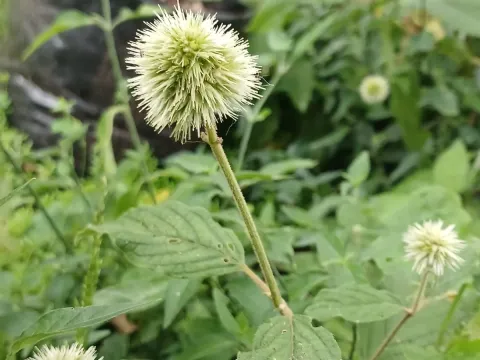
Cyathula uncinulata
Cyathula uncinulata
Cyathula uncinulata is a notable species within the Amaranthaceae family, prized for its medicinal and botanical qualities. The sowing process generally begins in the spring once soil temperatures reach 15-18 degrees Celsius.
What the section contains
Cyathula uncinulata
The seeds should be planted at a shallow depth of 1-2 centimeters in well-aerated soil to ensure optimal germination rates and early seedling development.
Pre-sowing stratification of seeds is highly recommended, as it breaks dormancy and helps achieve a uniform crop density across the entire field.
It is advisable to organize the planting in rows, spaced 40-50 centimeters apart, which facilitates better weed management and promotes air circulation.
In regions with shorter growing seasons, starting seeds in controlled greenhouse conditions is a common practice to ensure that plants are strong enough before being moved outdoors.
This crop thrives in fertile, well-draining loamy soils with a neutral pH level, avoiding areas prone to waterlogging as they are detrimental to root health.
Cyathula uncinulata requires plenty of direct sunlight for maximum biomass production, although providing slight shade during the peak heat of summer can prevent leaf wilting.
Temperature management is key, with the plant showing the most vigorous growth patterns when ambient temperatures range between 20 and 25 degrees Celsius.
Consistent soil moisture is essential throughout the growing cycle, particularly during the vegetative stage, but excessive irrigation should be strictly avoided.
Regular maintenance including weeding and nutrient management through organic compost application ensures the health and productivity of the cultivated stand.
The harvesting of Cyathula uncinulata is a delicate process requiring precise timing to ensure the highest yield of active pharmacological compounds.
Roots should be harvested at the end of the season, typically in late autumn, once the aerial parts of the plant have started to die back, signifying full maturity.
Aerial parts of the plant are harvested during the flowering phase to capture the full spectrum of beneficial properties present in the leaves and stems.
Post-harvest processing involves thorough cleaning of the root material and drying the plant matter under controlled conditions at temperatures below 45 degrees Celsius.
Properly dried and cured material should be stored in cool, dark, and dry environments to maintain the chemical integrity and shelf-life of the botanical crop.