
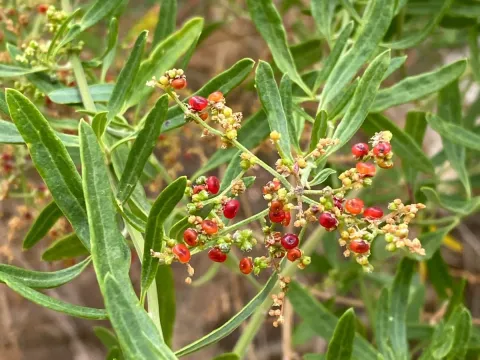
Einadia
Einadia
Einadia, being primarily a wild-growing genus, does not have standardized sowing dates like conventional commercial crops. For experimental or horticultural cultivation, it is best to sow seeds in the spring once soil temperatures reach 15–18 degrees Celsius.
What the section contains
Einadia
Successful germination requires consistent moisture in the substrate during the initial stages. In regions with milder climates, winter sowing is also an option, as the seeds exhibit good viability after natural stratification during the colder months.
The optimal planting pattern involves spacing rows approximately 40–50 centimeters apart to provide enough space for bush development. Seeds should be sown at a shallow depth of 1–2 centimeters, as they are small and need minimal coverage to emerge effectively.
The plant shows high growth energy in the early development phases. With adequate sunlight, seedlings typically appear within 10–14 days, after which the crop rapidly builds vegetative mass, establishing a strong root system.
When selecting a site for sowing, it is crucial to consider the crop's need for maximum sunlight exposure. Einadia performs poorly in shaded areas, so selecting open, well-lit fields is a fundamental requirement for successful crop establishment.
Einadia belongs to the Amaranthaceae family, which dictates its exceptional ecological plasticity. These plants are well-adapted to saline, nutrient-poor soils where other conventional crops often fail to produce satisfactory yields.
The crop is a pronounced xerophyte, capable of enduring long periods of soil and atmospheric drought. It has low fertility requirements and thrives in sandy or loamy soils with neutral to slightly alkaline reactions, making it ideal for marginal lands.
Temperature requirements for Einadia are quite flexible, ranging from moderate to high levels. The plant is highly resistant to heat, actively growing during the hottest periods of the year, which makes it a promising candidate for arid agricultural zones.
Fertilization needs are relatively low, as an excess of nitrogen can reduce the plant's resistance to environmental stress. Minimal organic matter incorporated during primary tillage is sufficient to give the plants an optimal start without compromising their robustness.
Water availability is critical only during the germination and early seedling stages. Adult plants develop deep taproots, allowing them to extract moisture from lower soil horizons, which significantly reduces the need for supplemental irrigation.
The economic value of Einadia lies in its use as a leafy vegetable and a nutritious fodder crop. Yield depends largely on the frequency of harvesting and the level of management practiced by the grower in the specific region.
Through systematic pruning of the terminal shoots, the plant forms a lush, bushy structure, allowing for multiple harvests within a single growing season. The leaves are rich in bioactive compounds, making them a high-quality nutritional product.
In industrial terms, the yield potential is considered moderate when compared to common leafy vegetables like spinach. However, its unparalleled resilience to stress makes it a more reliable and economically viable choice in extreme climates.
Individual plant mass can reach several hundred grams under favorable conditions. Optimal planting density directly influences total biomass yield, provided there is enough space for proper ventilation to keep the bushes healthy.
Utilizing Einadia as a fodder plant is a prospective direction for livestock farming in arid regions where the availability of juicy forage is limited. The plant remains a stable source of nutrients during periods when pasture productivity declines.
Einadia is characterized by high natural resistance to many diseases that commonly affect vegetable crops. Under conditions of excessive moisture and poor air circulation, powdery mildew may occur, though it is relatively rare in healthy, well-managed stands.
The main pests threatening this crop include sap-sucking insects like aphids or leaf-mining flies. In arid regions, significant damage can sometimes be caused by grasshoppers, which are attracted to the foliage of the plant.
Disease prevention is based on maintaining spatial isolation and timely weed control, as weeds can act as reservoirs for pathogens. It is essential to avoid over-irrigation to prevent root rot, which is a major risk factor in poorly drained soils.
When pest infestations reach significant levels, integrated pest management is recommended, focusing on biological control agents. Chemical pesticides should be used sparingly and cautiously, especially in stands intended for human consumption.
Regular monitoring of the field during the early stages of development allows growers to take timely actions to preserve plant density. Healthy seed selection and proper soil preparation remain the best defenses against pathogens at the start of the cycle.
Harvesting Einadia is conducted selectively, targeting leaves and young shoots that have reached the desired size. Regular cutting encourages branching and stimulates the formation of new, tender foliage, effectively extending the plant's productive life.
The best time to harvest is during the early morning hours when tissues are fully turgid. This practice ensures that the produce retains its freshness and quality for a longer period after post-harvest handling.
Using sharp horticultural shears or knives is recommended for clean cuts, which prevents mechanical damage to the main stem. It is important to leave enough foliage on the plant to support photosynthesis and rapid regrowth after the harvest.
Seed harvesting should occur when the fruits reach full maturity and darken. Because the seeds are quite small, careful collection is necessary to minimize losses during threshing and subsequent cleaning of the seed lot.
Post-harvest processing involves sorting and removing debris. The produce should be stored in cool conditions, ensuring adequate humidity to prevent wilting, which is crucial for maintaining the market value of the fresh leafy greens.