
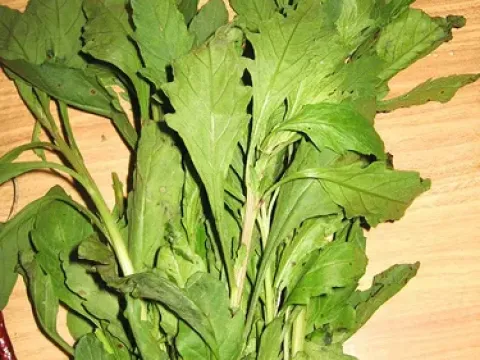
Dysphania
Dysphania
Sowing of Dysphania should be performed in the spring season when the soil temperature consistently reaches 12–15 degrees Celsius. For early yield, greenhouse seedlings can be transplanted later.
What the section contains


Dysphania
Seeds are placed at a shallow depth of 1–2 centimeters, which is ideal for the successful germination of these small seeds. Optimal spacing between rows should be maintained at 40–50 centimeters.
Proper soil moisture immediately after sowing is critical. Light compaction of the soil surface ensures better capillary water movement toward the seeds.
For commercial farming, mechanized precision sowing is recommended to ensure uniform plant density and easier maintenance of the rows during the growing season.
Thinning is necessary once the second pair of true leaves appears, allowing for a space of 20–25 centimeters between individual plants to promote robust growth.
Dysphania thrives in well-lit areas with light, fertile sandy or loamy soils. It is essential to avoid poorly drained areas where water tends to stagnate.
The optimal pH range for this crop is between 6.0 and 7.0. Soil analysis should be performed prior to planting, with lime applied if the soil is too acidic.
Being a heat-loving plant, Dysphania requires average daily temperatures between 20 and 25 degrees Celsius to reach its full vegetative potential.
Irrigation should be consistent but moderate. Over-watering can lead to root rot and other fungal diseases, which are major threats to crop health.
Fertilization must be balanced, as an excessive nitrogen supply can stimulate over-growth of leaves while reducing the concentration of essential oils.
The final yield of Dysphania is highly dependent on effective crop management, including regular weeding and maintenance of optimal spacing between plants.
Multiple cuts can be performed during the active growing season, significantly increasing the total output per unit of area if managed correctly.
The harvest should be timed before the plants reach the flowering stage, as this is when the concentration of aromatic compounds is at its peak.
Average yield figures range from 15 to 25 tons per hectare, provided that irrigation and climate conditions are favorable throughout the growth period.
Proper post-harvest handling, including cooling and careful storage, is essential to maintain the quality and market value of the harvested biomass.
Common issues for this crop include powdery mildew and various leaf spot diseases, which often occur due to poor air circulation and excessive humidity.
Crop rotation is the primary strategy for managing disease pressure; the field should not be replanted with Dysphania for at least three to four years.
Pests such as aphids and spider mites can damage the leaves. Early detection is key, as these pests can rapidly colonize the crop in warm weather.
Biological pest control methods are highly encouraged over harsh chemical applications to keep the final product clean and safe for end-use.
Maintaining a clean field, free of weeds, also reduces the risk of hosting various insects and diseases that can negatively impact the harvest.
Harvesting is typically carried out by cutting the above-ground biomass, leaving about 5–10 centimeters of the stem above the soil surface for potential regrowth.
The best time of day for harvesting is early morning, when essential oil levels are at their highest and the plants have not yet been exposed to heat.
Post-harvest, the product should be moved to a processing area immediately to prevent wilting and degradation caused by exposure to direct sunlight.
Drying processes should be conducted in shaded, well-ventilated areas or in controlled chambers at temperatures not exceeding 40 degrees Celsius.
Ensuring the product is free from soil and extraneous debris during the harvest significantly increases its market value and overall quality profile.