
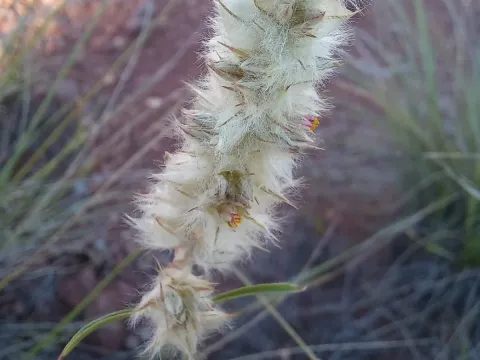
Cyphocarpa
Cyphocarpa
Cyphocarpa is a genus of perennial herbaceous plants belonging to the Asteraceae family. Its cultivation requires careful attention to seed dormancy, which is a key biological trait of this species.
What the section contains
Cyphocarpa
The sowing process should be initiated in early spring once soil temperatures reach 10-12 degrees Celsius to ensure consistent germination rates across the field.
Optimal sowing depth is critical for this species, ranging between 1.5 and 2 centimeters, as shallow placement allows for necessary light exposure during the emergence phase.
Field layout typically involves maintaining row spacing of approximately 45 centimeters to balance plant density with the need for adequate air circulation.
Using precision planting equipment is highly recommended to manage the small seed size effectively and ensure uniform distribution in the prepared seedbed.
Originating from arid and semi-arid regions, Cyphocarpa is highly resilient to water scarcity and benefits from high solar radiation throughout its growth cycle.
The plant thrives in well-drained, light-textured soils such as sandy loams, which prevent the accumulation of moisture near the root zone.
It prefers neutral to slightly alkaline pH levels and is notably sensitive to waterlogging, necessitating the selection of elevated field sites.
Environmental requirements include a sunny, open location with good natural ventilation to mitigate the risk of fungal proliferation in high-humidity periods.
Thermal stability is a notable advantage, as the plant can withstand significant diurnal temperature variations, making it adaptable to diverse climate zones.
Primary threats to the crop include soil-dwelling pests like wireworms that can compromise the root systems of young seedlings during the establishment phase.
Root rot, driven by Fusarium and Pythium fungi, poses a significant risk if soil moisture management is neglected or if drainage is inadequate.
Aphid infestations on tender shoots can cause stress to the plant, potentially leading to stunted growth if not addressed through early detection and management.
Implementing a rigorous crop rotation strategy is essential to break the life cycles of pathogens and maintain overall field sanitation.
- Application of seed treatments to protect against soil-borne diseases.
- Mechanical cultivation of rows to improve soil aeration and weed control.
- Regular scouting for signs of pest pressure to trigger early intervention.