
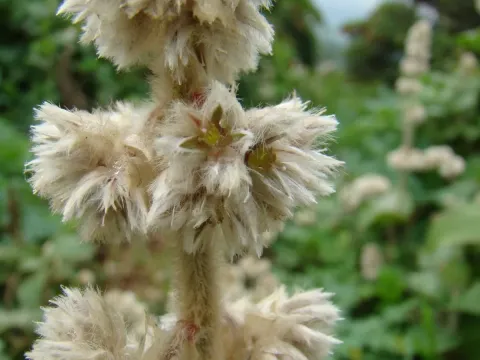
Cyathula polycephala
Cyathula polycephala
Cyathula polycephala is a perennial herbaceous plant, and in large-scale agricultural production, it is typically sown in spring once soil temperatures reach 15-18 degrees Celsius.
What the section contains
Cyathula polycephala
Seeds should be planted in well-prepared, loose, and friable soil to provide proper drainage, which is crucial for the germination phase of this crop.
A sowing depth of 1-2 centimeters is recommended, ensuring adequate spacing between rows to allow for the full development of the plant's robust root system.
In regions with cooler climates, utilizing the seedling method is advised to help the crop establish strength before being transplanted into the open field.
Consistent soil moisture must be maintained during the initial germination period, which generally lasts between two to three weeks depending on environmental conditions.
Belonging to the Amaranthaceae family, this crop prefers sunny locations and needs protection from strong, drying winds that can affect the foliage.
The ideal soil types for Cyathula polycephala are sandy loams or light loams that are rich in organic matter and possess a neutral to slightly acidic pH level.
While the plant shows moderate drought tolerance, regular irrigation is essential during peak vegetative stages to ensure high-quality root development.
The plant is sensitive to frost and extreme cold, making it best suited for tropical and subtropical climates or controlled greenhouse cultivation in colder regions.
Periodic mechanical weeding and soil aeration between rows are vital to promote oxygen access to the roots, which significantly enhances the overall plant health.
The economic value of Cyathula polycephala is primarily derived from its roots, which are highly regarded for their specific phytochemical content and medicinal properties.
Yield consistency relies heavily on the agricultural management system, including soil fertility levels and the application of balanced fertilizers throughout the season.
The maximum harvest potential is typically reached in the second year of growth, when the roots have accumulated a high concentration of bioactive compounds.
By implementing intensive farming practices, such as proper spacing and nutrient management, producers can achieve stable and reliable root mass yields.
Regular monitoring of field conditions allows farmers to identify optimal harvest times, ensuring that the final product meets market standards for quality and purity.
The primary threats to this crop include various fungal pathogens that thrive in high-humidity conditions or poorly drained soil environments.
Root rot is the most significant concern; thus, maintaining soil drainage and avoiding waterlogging is the most effective preventative strategy against such diseases.
Pests like aphids and spider mites can attack the foliage, particularly during the early vegetative stages, potentially stunting the overall growth of the plant.
Integrated pest management, focusing on biological controls, is highly recommended to protect the integrity of the plant for its intended medicinal use.
Ensuring a clean field by managing weeds early reduces the competition for nutrients and limits the environment where pests and pathogens may hide.
Harvesting is performed by carefully digging up the roots, which requires specialized root-harvesting equipment to ensure the tubers remain undamaged.
The optimal time for harvest is during the autumn months when the aerial parts of the plant begin to naturally wither, indicating mature root development.
Once harvested, the roots must be thoroughly cleaned of soil and debris, washed, and prepared for drying in a well-ventilated, controlled environment.
Drying must be conducted at moderate temperatures to prevent the degradation of essential alkaloids and other active compounds present within the roots.
Final storage should take place in a cool, dry, and dark area using breathable containers to prevent moisture accumulation and protect the crop from pests.