
Chenopodium robertianum
Chenopodium robertianum
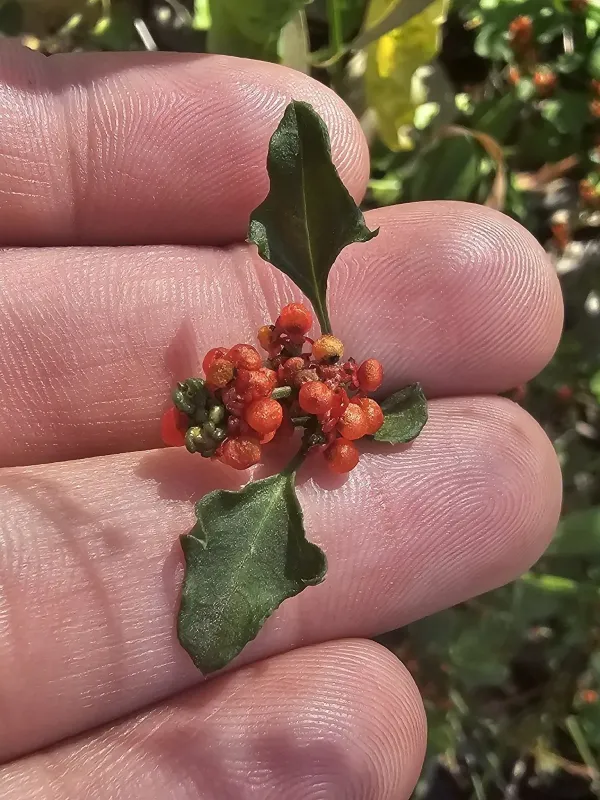
Description
Sowing dates
Sowing of Chenopodium robertianum typically occurs in early spring once soil temperatures reach 8–10 degrees Celsius. The seeds are characterized by a high germination rate, allowing for uniform field establishment.
It is recommended to sow seeds at a shallow depth of 1–2 centimeters to ensure optimal contact with the soil. Deep planting can inhibit emergence, as the energy reserves in the seeds are relatively limited.
A row spacing of approximately 45 centimeters is generally preferred. This layout provides adequate space for plant development and facilitates weed control activities during the early stages of growth.
In regions with distinct seasonal patterns, late-winter sowing in cold soil can be practiced to utilize the moisture from melting snow. This approach often results in more robust plant development.
The seeding rate is typically managed at 4–6 kilograms per hectare. Proper calibration of seeding equipment is essential to ensure that the density is sufficient to suppress weed growth effectively.
Growing requirements
Chenopodium robertianum belongs to the Amaranthaceae family and prefers well-aerated, fertile loam soils. The plant performs best in neutral to slightly alkaline soil conditions with good drainage.
This crop displays moderate drought tolerance due to its developed root system. However, consistent moisture availability during the active vegetative growth phase is crucial for achieving high biomass yields.
The ideal temperature range for growth is between 15 and 25 degrees Celsius. The crop exhibits plasticity and can withstand brief temperature fluctuations, making it suitable for various climatic zones.
High light intensity is essential for the metabolic processes of Chenopodium robertianum. Shaded environments tend to decrease the nutritional quality and overall growth rate of the crop significantly.
Nitrogen fertilization should be managed to promote vegetative growth without causing excessive lodging or delayed maturity. Integrated nutrient management is key to maintaining sustainable yields.
Main diseases and pests
Common diseases affecting this crop include powdery mildew and various soil-borne root rots. These are usually managed through crop rotation and maintaining adequate soil sanitation practices.
Insect pests, such as flea beetles, often pose a risk to seedlings during the first few weeks. Timely application of approved insecticides can help protect the young crop from extensive defoliation.
Aphids can also cause significant damage by feeding on plant sap, particularly during warm and dry periods. Biological control methods or targeted insecticidal treatments are often effective remedies.
Preventive measures include maintaining spatial isolation from related wild species and implementing strict weed control measures. Healthy seed selection is the first line of defense against pathogens.
Regular field scouting is recommended to identify early signs of pest pressure or infection. Quick intervention minimizes the need for high-dosage chemical treatments and protects ecosystem health.
Harvesting
Harvesting should be timed to coincide with the period of peak nutrient accumulation in the green mass. Harvesting before the plant transitions into the late reproductive stage ensures maximum quality.
Techniques such as direct combine harvesting or swathing are commonly utilized depending on the specific climatic conditions of the harvest period. Adjusting the machinery settings is crucial for cleanliness.
Immediate post-harvest drying is necessary to reduce moisture content and prevent microbial growth. Proper aeration during the drying process is vital for maintaining the integrity of the harvested material.
Storage should be conducted in well-ventilated, dry areas where temperature fluctuations are minimal. This prevents spoilage and keeps the product in optimal condition for processing or distribution.
Efficient logistics from the field to the storage facility preserve the overall value of the crop. Minimize delays to prevent degradation of the plant tissue after the initial cutting process.