
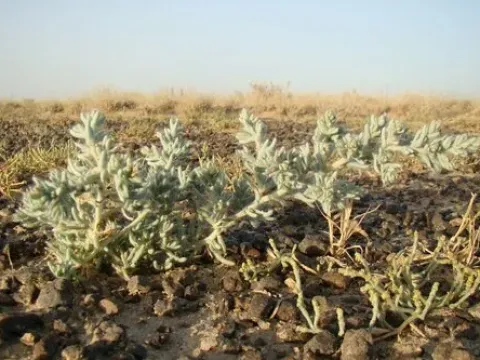
Climacoptera
Climacoptera
Climacoptera is a significant genus within the Amaranthaceae family, known for its ability to thrive in harsh, saline environments where common crops fail.
What the section contains


Climacoptera
The sowing process is typically timed for the early spring, capitalizing on the soil moisture levels accumulated during the winter and early spring period.
It is essential to sow the seeds at a shallow depth, as the small size of the seeds limits their energy reserves to penetrate through thicker soil layers.
Proper field preparation should include surface compaction to ensure that seeds are in direct contact with the moisture-retaining soil layers.
Early planting allows the seedlings to establish a strong root system before the onset of the intense summer heat typical of their native arid habitats.
These plants are obligate halophytes, displaying a remarkable adaptation to soils with high levels of soluble salts, which would be toxic to most plants.
Climacoptera requires full exposure to sunlight and is highly sensitive to shading, which significantly hinders its biomass production and development.
The genus is exceptionally drought-tolerant, possessing physiological mechanisms to regulate internal osmotic pressure during prolonged dry spells.
While the crop is not demanding regarding soil fertility, it thrives best on saline plains and alkaline soils with a light to medium mechanical structure.
Effective drainage is a fundamental requirement; despite their salt tolerance, Climacoptera species cannot survive in waterlogged or swampy conditions.
Due to the high salt concentration in their tissues, Climacoptera species are naturally resistant to many common fungal diseases that plague agricultural crops.
Insects, particularly chewing pests and specialized beetles, represent the most frequent threat to the plant's structural integrity during the growing season.
Root rot is a potential risk only in cases of improper land management where poor drainage leads to stagnant water accumulation around the roots.
- Infestation by localized desert insect populations.
- Potential damage from herbivorous wildlife in arid zones.
- Stunted growth resulting from unexpected water saturation.
Integrated pest management strategies focused on biological control are generally preferred to maintain the ecological balance of these saline-adapted plant communities.