
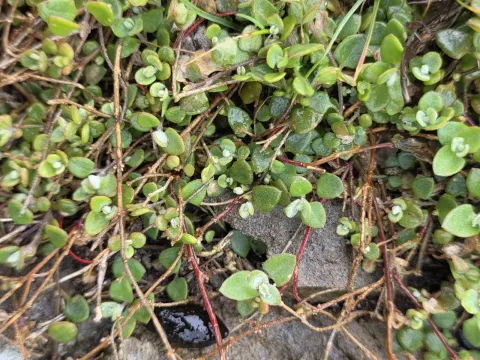
Chenopodium triandrum
Chenopodium triandrum
Sowing of Chenopodium triandrum is performed in spring once the soil temperature consistently reaches 10–12 degrees Celsius. Ensuring adequate surface soil moisture is crucial for uniform germination.
What the section contains
Chenopodium triandrum
Recommended row spacing is 30 to 45 centimeters, which facilitates effective mechanical weeding and crop maintenance. Seeds are sown at a depth of 1–2 centimeters, depending on the soil texture.
For optimal results, soil consolidation after sowing is advised to ensure good seed-to-soil contact. This practice promotes faster and more reliable seedling emergence in dry weather conditions.
Crop rotation is essential to maintain soil health; it should not follow other members of the Amaranthaceae family. This practice helps prevent the build-up of host-specific pests and soil pathogens.
The seeding rate varies based on local climate and planting methods, typically ranging from 5 to 8 kilograms per hectare. Using high-quality, certified seeds is recommended for consistent productivity.
Chenopodium triandrum is a sun-loving plant that requires open, well-lit locations. Excessive shade during the vegetative phase can lead to elongated stems and reduced yield quality.
The crop thrives in fertile, well-drained loamy or sandy loam soils with a neutral or slightly alkaline pH. Proper aeration of the root zone is vital for vigorous plant development.
While the plant shows moderate drought tolerance, regular irrigation is necessary for high biomass production, especially during early growth and flowering stages. Waterlogging must be strictly avoided.
The ideal temperature for development is between 18 and 25 degrees Celsius. The plant is well-adapted to moderate climates and can handle diurnal temperature fluctuations effectively.
Regular cultivation between rows is required to break soil crusts and improve air exchange. This practice also helps in managing small weeds that could otherwise compete with the crop for resources.
Yield potential of Chenopodium triandrum is highly dependent on nutrient management and timely field operations. Under intensive cultivation, green biomass yields can reach 15–20 tons per hectare.
Seed yields generally range from 1.5 to 2.5 tons per hectare. Variations in yield are often tied to weather conditions during the pollination phase, which influences the seed setting percentage.
Balanced fertilization, particularly during the active growth period, is critical for maximizing output. Excessive nitrogen application should be avoided to prevent lodging or reduced seed quality.
Weed control is the most important factor influencing final crop uniformity and yield. Early-stage weed suppression significantly boosts the overall health and vigor of the entire field.
Harvesting efficiency is improved by selecting appropriate machinery and timing the operation to coincide with the physiological maturity of the plants, minimizing losses during processing.
The primary threats include fungal diseases such as downy mildew and root rot, which are often triggered by excessive humidity. Prevention involves proper spacing and moisture control.
Pests like aphids and certain leaf-eating beetles can damage the crop. Integrated pest management strategies, including the use of beneficial insects, are recommended to maintain field health.
Disease management relies on using healthy, treated seeds and maintaining proper spatial distance from wild-growing plant populations. Early detection of patches is key to minimizing spread.
Improper drainage often leads to root-related stress and subsequent susceptibility to soil-borne pathogens. Improving the physical state of the soil is a primary preventive measure.
In case of severe infestations, biological agents are preferred to chemical pesticides to ensure the final product meets safety standards for food consumption and export.
Harvesting for green leaves should occur before the onset of the flowering phase to maintain optimal nutritional quality. Mowing should be done at a height that allows for potential regrowth.
Seed harvesting begins when the majority of the fruits show signs of ripening and drying. Prompt harvesting is necessary to prevent significant yield losses due to natural seed shattering.
Post-harvest processing involves thorough cleaning and sorting to remove debris. This ensures that the seed lots are free from contaminants and meet the required purity standards.
Seeds must be dried to a moisture content of 12 percent or lower before long-term storage. Storage facilities should be cool, dry, and well-ventilated to prevent mold development.
Proper packaging protects the harvested yield from humidity and pests during transport. Following these standards ensures that the product retains its value until reaching the final user.