
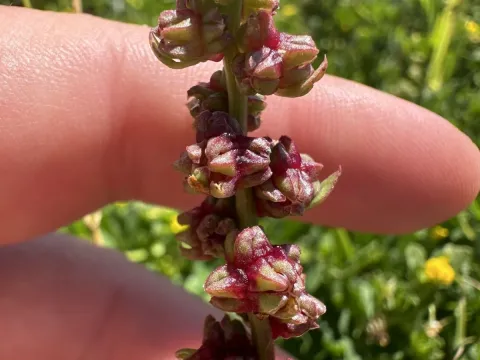
Beta macrocarpa
Beta macrocarpa
Beta macrocarpa is a wild species of the Amaranthaceae family, commonly referred to as the large-fruited beet. It is primarily distributed in the Mediterranean region, where it has evolved to thrive in coastal and saline environments.
What the section contains
Beta macrocarpa
In its natural habitat, seed germination is synchronized with seasonal precipitation patterns, often occurring during mild winters. When attempting to cultivate this species, mimicking these specific environmental triggers is essential for successful germination.
The seeds possess natural dormancy mechanisms that may require specific temperature treatments or stratification to overcome. Sowing is typically performed in well-drained, porous media to ensure optimal moisture regulation during the emergence phase.
Optimal sowing depth is shallow, generally ranging from 1 to 2 centimeters, to allow adequate light exposure for emerging seedlings. Keeping the substrate moist but not waterlogged is critical during the first few weeks of development.
Consistent temperatures around 20 degrees Celsius provide the best results for consistent seedling growth. Rapid changes in environment or sudden temperature drops should be avoided to prevent stress to the young plants.
One of the most notable characteristics of Beta macrocarpa is its high salt tolerance. As a true halophyte, it can endure elevated levels of soil salinity that would prove fatal to most cultivated crops, making it a subject of interest for salt-stress research.
Full sun exposure is a fundamental requirement for this species. The plants require high light intensity to support their metabolic processes and maintain their distinct morphological structure, which is adapted to arid, open landscapes.
Soil requirements focus on excellent drainage and a light texture. While the species is tolerant to saline conditions, it still benefits from soil that contains adequate mineral nutrients to support healthy vegetative growth.
Watering regimes should be carefully managed to avoid oversaturation. Since the species is adapted to Mediterranean climates, it is efficient at utilizing available moisture and can withstand moderate drought periods once established.
Moderate temperatures during the growing season are preferred. Exposure to extreme heat or prolonged cold periods can significantly alter the growth rate and development cycle of the plant, potentially impacting seed set.
Fungal pathogens, particularly those affecting the root and collar zones, pose the greatest threat to Beta macrocarpa under cultivation. Excessive humidity and poor air circulation often act as catalysts for these infections.
Leaf-feeding insects and mining larvae can be detrimental to the plant's photosynthetic capacity. Integrated pest management strategies, focusing on biological controls, are recommended to preserve the plant's natural balance.
The presence of nematodes in the soil can severely impact root system development. Avoiding the monocropping of related species is crucial to maintain soil health and prevent the accumulation of host-specific pests.
Viral infections, often transmitted by aphids, can cause significant stunting and deformation of foliage. Monitoring vector populations is a primary step in preventing the spread of such diseases within a planting site.
Nutrient deficiencies, specifically related to the uptake of micronutrients in highly saline environments, can lead to weakened plants. Regularly assessing the chemical profile of the soil is recommended for long-term health management.