
Microcnemum
Microcnemum
Microcnemum is a monotypic genus of flowering plants belonging to the Amaranthaceae family. It is a highly specialized halophyte, evolutionary adapted to thrive in saline environments where the osmotic pressure of soil water is too high for most crops.
What the section contains

Microcnemum
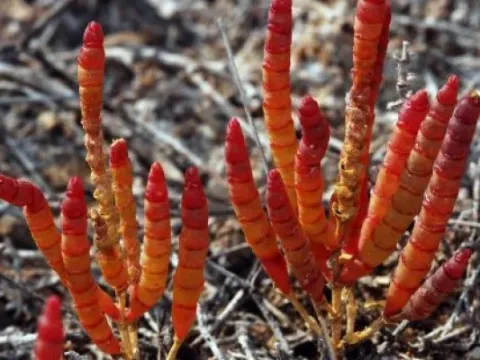
Botanically, the plant is characterized by its succulent, jointed stems and significantly reduced leaves. This morphological structure is a vital adaptation, enabling the plant to retain water efficiently and minimize transpiration losses in harsh, saline-affected climates.
The geographic distribution of Microcnemum encompasses regions of the Mediterranean and parts of Central and Southwest Asia. It is typically found in habitats such as salt marshes, salt flats, and around the edges of ephemeral saline lakes.
From an agricultural and environmental perspective, the plant is considered a significant species for the stabilization of saline-degraded soils. Its physiological ability to manage high salt uptake makes it a subject of study in salt-affected land management and phytoremediation efforts.
Regarding cultivation requirements, Microcnemum performs best in high-temperature environments with low annual precipitation. It requires soils with specific chemical profiles, specifically those with high levels of chlorides or sulfates, to maintain its physiological balance and growth cycle.