
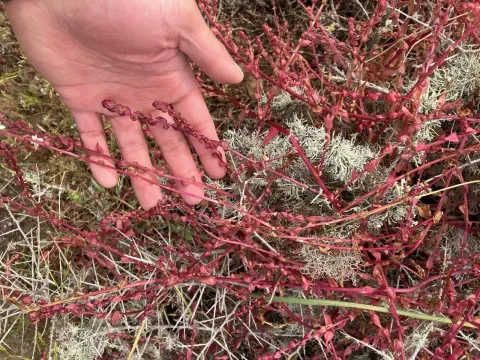
Aphanisma
Aphanisma
Aphanisma is an annual herb that follows a seasonal growth pattern dictated by moisture and temperature cycles. In its natural coastal habitat, seeds germinate during the cool, wet months of winter and early spring, responding to the seasonal rainfall.
What the section contains

Aphanisma
When sowing in a controlled environment, it is essential to use a highly permeable, sandy substrate. The seeds are very small and should be scattered on the soil surface rather than buried, as they require light and thermal fluctuations to initiate the germination process.
Optimal germination temperatures are generally between 10°C and 15°C. Keeping the growing medium lightly moist is crucial during the first few weeks, but it must never be saturated, as the seeds and emerging seedlings are extremely sensitive to damping-off fungi.
Once established, the seedlings should be spaced out to allow sufficient airflow. Overcrowding can lead to humidity pockets that favor the development of pathogens, so maintaining a proper distance between individuals is a key step in successful cultivation.
The total growing period is relatively short, usually ending as temperatures rise and day length increases. Once the plant has completed its reproductive cycle and set seeds, it naturally begins to decline, which is a normal part of its biological development.
Aphanisma, belonging to the Amaranthaceae family, is a succulent-leaved plant well-adapted to maritime conditions. It possesses natural mechanisms to cope with saline soils and coastal breezes, making it a specialized species for specific environments.
The soil requirement is non-negotiable: it must be exceptionally well-draining. Native to sandy or rocky coastal areas, Aphanisma struggles in heavy, moisture-retentive soils. The ideal substrate is a mix of coarse sand, perlite, and a small amount of organic matter.
Exposure to full sunlight is necessary for the plant to maintain its characteristic structure and vigor. Insufficient light will cause the plant to etiolate and become weaker, significantly increasing its susceptibility to fungal diseases.
In terms of climate, Aphanisma thrives in Mediterranean-style zones characterized by mild, wet winters and warm, dry summers. It does not tolerate heavy frosts or extremely high humidity, both of which can lead to plant loss in garden settings.
Nutrient management should be conservative. Because it is adapted to nutrient-poor soils, heavy fertilization is rarely necessary and can actually be harmful, promoting soft, vulnerable growth that attracts various pests.
Root rot caused by stagnant water is the primary threat to Aphanisma. Even brief periods of waterlogging can destroy the root system, so proper drainage and judicious irrigation are the most effective preventive measures available to the grower.
Pests such as aphids and spider mites may target the tender leaves, particularly in greenhouses with poor ventilation. Regular monitoring and physical removal of the affected leaves are usually sufficient to control these populations without chemical intervention.
Gastropods, including snails and slugs, pose a significant risk, especially during the early stages of plant development. Implementing physical barriers or safe baiting techniques can help protect young plants from being consumed overnight.
Weed control is essential, as the species lacks the competitive vigor to suppress surrounding growth. Ensuring the soil around the plants is free from competition allows for better airflow and light penetration, directly contributing to plant health.
In cases of high humidity, fungal leaf spots may appear. These are best managed by increasing ventilation and removing any symptomatic foliage immediately to stop the spread of spores to healthy parts of the plant.