
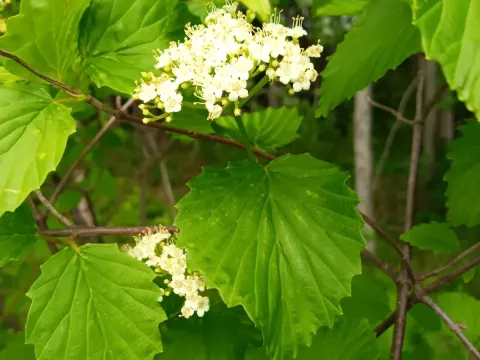
Southern arrowwood
Viburnum recognitum
Southern arrowwood (Viburnum recognitum) is typically propagated through seeds or softwood cuttings, depending on the scale and purpose of cultivation.
What the section contains
Southern arrowwood
Seeds require a period of cold stratification, usually lasting several months, to break dormancy before they can successfully germinate in the spring.
Cuttings should be taken during the active growing season, ideally mid-summer, and treated with rooting hormones to ensure strong development of the root system.
When planting in the field, space the shrubs adequately to ensure good airflow and access for maintenance, usually with 2 to 3 meters between individual plants.
Young plants should be watered consistently during their first growing season to establish their root systems before they become drought-tolerant.
Belonging to the Adoxaceae family, this species is a deciduous shrub native to the eastern parts of North America, prized for its ecological versatility.
The plant thrives in full sun to partial shade conditions and is well-adapted to a variety of soil types, including moist, fertile, and well-draining loams.
While it is tolerant of temporary wet conditions, it performs best in soils with consistent moisture levels and a slightly acidic to neutral pH balance.
Maintenance involves pruning to remove dead wood and to shape the shrub, which is best done immediately after the flowering period to encourage new growth.
In regions with harsh summers, applying a layer of organic mulch around the base of the plant helps retain soil moisture and suppresses unwanted weed growth.
The shrub produces clusters of small, dark blue-to-black drupes that mature in late summer and are a significant food source for local bird populations.
Yield productivity is generally tied to the maturity of the shrub; plants typically begin producing fruit reliably around their third or fourth year of growth.
While commercial fruit production is rare, the shrub is highly valued for its ability to produce consistent annual crops under minimal human intervention.
To maximize fruit production, ensure the shrub receives adequate sunlight and is not excessively crowded by other surrounding vegetation.
The fruits have a tart flavor profile, making them less popular for direct culinary use but very useful for attracting wildlife to the garden environment.
Common pests include the Viburnum leaf beetle and various types of aphids, which can cause significant defoliation if left untreated during the spring months.
Fungal diseases, such as powdery mildew, may affect the foliage if the plant is grown in areas with high humidity and limited air circulation.
Integrated pest management strategies, such as biological control and timely application of targeted insecticides, are recommended for maintaining plant health.
Sanitation practices, including the removal of infected or fallen plant debris, help reduce the prevalence of pathogens in the garden soil.
- Monitor leaves regularly for signs of chewing or discoloration.
- Maintain a clean zone around the base of the shrub.
- Apply preventative fungicides if weather conditions favor fungal growth.
Harvesting the berries involves gathering the ripe, deep-colored drupes once they have reached their peak maturity, typically in early autumn.
Since the fruits are delicate, they should be collected with care to prevent bruising and should be processed quickly after harvest to maintain their quality.
In a landscape setting, fruit harvest is often secondary to the ornamental value of the plant, but harvesting can prevent the spread of seeds across the site.
The use of small clippers is recommended for harvesting fruit clusters to avoid pulling on the thin, flexible branches which might damage the shrub.
For storage purposes, the fruit can be frozen immediately after cleaning to preserve its nutritional profile for future use in jams or jellies.