
Velvet elderberry
Sambucus velutina
Description
Growing requirements
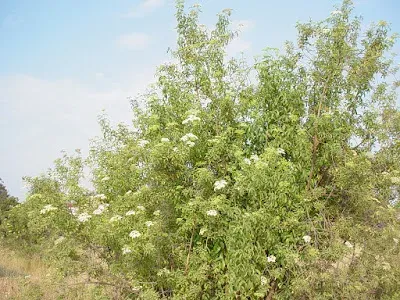
Velvet elderberry (Sambucus velutina) is a shrub species belonging to the Adoxaceae family, native to the western parts of North America, recognized for its distinct velvety foliage texture.
The plant thrives in well-drained, fertile soil and requires a location with full sun to partial shade to reach its full development potential. Maintaining consistent soil moisture during the active growth season is essential for optimal health.
Agronomic practices focus on maintaining soil fertility through the application of balanced organic fertilizers, which promote vigorous stem growth and dense canopy structure.
Adaptability to different climatic conditions is a notable feature, although the plant performs best in regions with moderate temperatures and protection from extreme, harsh winds that might damage the leaves.
Proper spacing during planting is vital to ensure adequate air circulation, which prevents excessive humidity build-up within the shrub and contributes to overall plant longevity.
Main diseases and pests
Common pests affecting Sambucus velutina include aphids and spider mites, which primarily attack the soft tissues of new shoots during the spring and early summer seasons.
Management of these pests involves integrated pest control strategies, including the use of horticultural oils, insecticidal soaps, and promoting natural predators like ladybugs in the garden environment.
Fungal issues such as powdery mildew may arise if the plant is subjected to poor air circulation or extended periods of high humidity, especially in shaded, crowded growing conditions.
Regular sanitation, which includes pruning and removing dead or diseased wood, is the most effective preventative measure against the spread of fungal and bacterial infections.
Application of appropriate fungicides during the early stages of infestation can help protect the plant's health and maintain its decorative appearance throughout the season.