
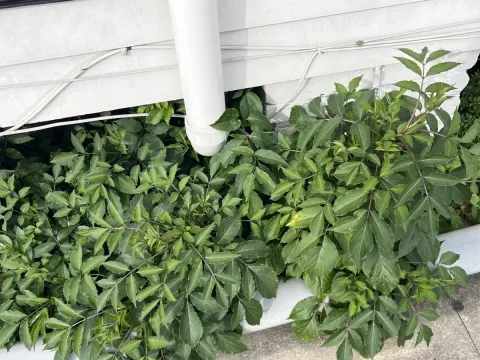
Simpson's elderberry
Sambucus simpsonii
Simpson's elderberry (Sambucus simpsonii) is a woody shrub belonging to the Adoxaceae family. Native to the southeastern United States, particularly Florida, it is a sub-tropical plant known for its semi-evergreen habit and its ability to thrive in warm, humid conditions that would be unsuitable for other elderberry species.
What the section contains
Simpson's elderberry
The plant grows best in moist, well-draining soils but shows a remarkable tolerance for wet soil conditions, making it an excellent choice for low-lying agricultural areas. It requires full sun exposure to maintain high photosynthetic activity and to produce a dense canopy of foliage, though it can tolerate partial shade.
Climatic requirements are specific to regions with mild winters, as the plant is not frost-tolerant. It thrives in temperatures ranging from 15 to 30 degrees Celsius. In cultivation, it is important to choose a location that protects the shrub from strong, desiccating winds that can damage the delicate terminal buds.
Soil management for Sambucus simpsonii should focus on maintaining a slightly acidic pH level and providing sufficient organic matter. Incorporating compost or well-rotted manure during the pre-planting phase ensures the structural integrity of the soil and provides slow-release nutrients for long-term development.
Maintenance involves routine pruning to manage the shrub's height, which can reach up to 5 meters if left unmanaged. Selective thinning of older branches encourages new growth, which is essential for ensuring consistent fruit production throughout the years of the plantation's operation.
The harvest phase is critical, as berries must be picked when they reach deep purple or black coloration, signaling full maturity. Since clusters ripen unevenly, mechanical or manual harvesting should be performed in several passes to ensure only the highest quality fruit is collected for processing.
Management of pests like aphids and scale insects is vital, as they can weaken the plant and serve as vectors for viral diseases. Fungal pathogens, such as powdery mildew, may also appear during high-humidity seasons, requiring standard agricultural practices to manage spacing and airflow.