
Veitch's Viburnum
Viburnum veitchii
Description
Growing requirements
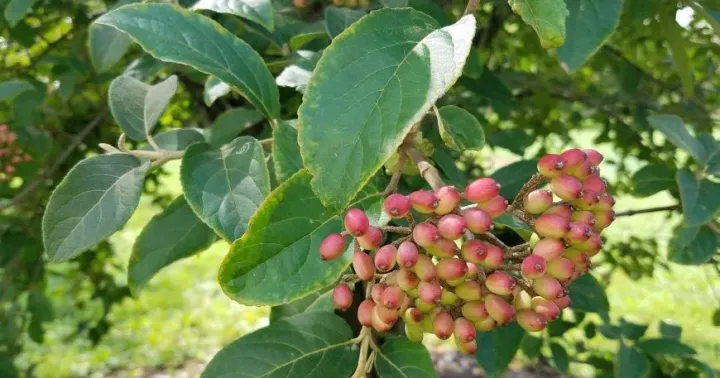
Veitch's Viburnum (Viburnum veitchii) is a deciduous shrub belonging to the Adoxaceae family. It is native to the mountainous regions of Central China, where it thrives in temperate climatic zones. Its aesthetic appeal lies in its foliage and clusters of flowers, making it a sought-after ornamental species.
The plant requires a planting site that receives full sun to partial shade. Protection from strong, drying winds is essential for the plant to maintain its foliage quality throughout the growing season. A sheltered position near a building or a hedge is often ideal for its establishment.
Soil requirements involve well-draining, fertile soil that remains consistently moist. Adding organic compost or leaf mold at the time of planting provides the necessary nutrients for initial growth and improves the soil's structure and water-holding capacity.
Maintenance tasks for this shrub focus on watering during prolonged droughts and occasional mulching to keep the roots cool. Fertilizer application should be carried out during the spring period to encourage healthy leaf and branch development.
Pruning should be done carefully, primarily to maintain the desired shape and size. Since flower buds develop on the previous year's growth, pruning is best timed immediately after the flowering period to avoid removing potential blooms for the next cycle.
Main diseases and pests
Like many species in the Viburnum genus, Viburnum veitchii can be susceptible to aphids. These small insects feed on the underside of leaves, causing curling and stunted growth. Periodic monitoring and gentle soap-based sprays can control mild infestations.
Powdery mildew represents a frequent fungal issue, especially in environments with poor air circulation and high humidity. Ensuring sufficient spacing between shrubs helps to reduce the risk of this infection occurring in the garden.
Leaf spot diseases, caused by various fungal pathogens, can manifest during wet summers. Implementing good garden hygiene, such as removing fallen leaves at the end of the season, significantly reduces the overwintering potential of these pathogens.
The Viburnum beetle is a significant threat that can defoliate the plant if not addressed. Gardeners should watch for larvae damage and apply appropriate treatments if the infestation reaches a damaging threshold for the shrub's health.
Root rot remains a risk if the soil becomes waterlogged. Proper site selection and careful irrigation practices are the best defenses against root-related pathogens, ensuring the long-term vitality of the specimen.