
Shaanxi viburnum
Viburnum schensianum
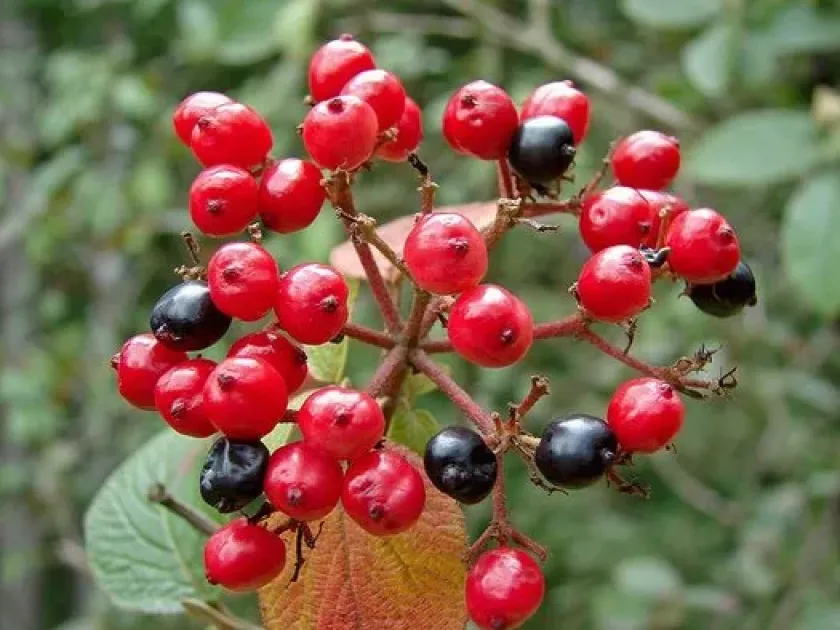
Description
Growing requirements
Shaanxi viburnum (Viburnum schensianum) is a deciduous shrub that belongs to the Adoxaceae family. It is native to the Shaanxi province and surrounding regions in China, where it thrives in diverse temperate woodland habitats and mountain slopes.
The plant requires well-drained, fertile soil to reach its full potential. It prefers slightly acidic to neutral soil pH and demands consistent moisture levels during the active growth period, although it cannot tolerate waterlogged ground which may lead to root rot.
Regarding climate requirements, this species flourishes in partial shade to full sun. While it shows good adaptability to various settings, a position that receives morning sun and afternoon shade is often considered ideal to prevent leaf scorch in hotter environments.
Agricultural management of this shrub involves basic pruning to maintain its form and structure. Regular pruning helps remove dead wood and encourages new growth, which is essential for ensuring a dense and healthy canopy for landscape purposes.
In terms of usage, Viburnum schensianum is primarily utilized in horticultural settings for its ornamental value. It serves as an excellent choice for borders, mixed shrub beds, and urban landscape projects due to its elegant foliage and seasonal blooms.
Main diseases and pests
Aphids are the most common pests found on Shaanxi viburnum, often clustering on the tender new growth during spring. Horticultural oils or insecticidal soaps are typically effective methods to manage these infestations before they spread significantly.
Powdery mildew can affect the foliage if the plant is grown in areas with poor airflow or high humidity. Managing plant density and ensuring adequate spacing between shrubs is crucial for preventing this unsightly fungal development.
Viburnum leaf beetle is another significant pest that can cause heavy defoliation. Growers should inspect the undersides of leaves during early spring to identify egg masses and larvae, applying targeted control measures immediately upon detection.
Fungal leaf spots may occur, particularly in seasons with prolonged wet conditions. Sanitation practices, such as clearing debris from around the base of the plant in late autumn, are vital for reducing the number of overwintering pathogens.
Stress from environmental factors, such as drought, can weaken the plant and make it more susceptible to opportunistic infections. Providing a layer of organic mulch helps retain soil moisture and stabilizes temperature, thereby reducing plant stress.