
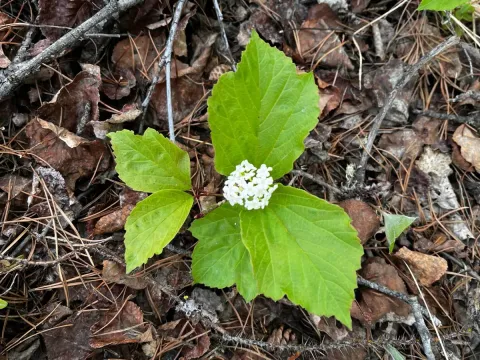
Squashberry
Viburnum edule
Squashberry (Viburnum edule), a member of the Adoxaceae family, is a deciduous shrub native to the cooler northern regions of North America. It is highly valued for its cold hardiness and its ability to thrive in forest understories and damp habitats.
What the section contains
Squashberry
The plant requires moist, well-draining, and nutrient-rich soils to thrive. It prefers partially shaded environments and should be protected from intense, direct sunlight, which can stress the plant and affect its overall growth rate and fruit production.
Soil management for this culture should focus on maintaining consistent soil moisture. Incorporating organic matter, such as leaf mold or peat, helps in creating a favorable structure that mimics the plant's natural forest floor conditions.
Proper agronomic care involves regular irrigation, especially during the fruit development phase. Mulching the base of the shrub is essential to retain soil moisture and regulate soil temperature, providing a stable environment for the shallow root system.
Pruning is an important aspect of maintenance for Squashberry. It helps in maintaining a manageable size, encourages the growth of new, productive shoots, and ensures that air circulates freely through the canopy to prevent moisture-related diseases.
The fruit of the Squashberry is highly versatile for culinary purposes. While it has a distinct tart flavor, it is frequently used to make jams, jellies, and traditional juices that are rich in vitamins and antioxidants.
The yield potential of the shrub is moderate and highly dependent on environmental conditions and pollination. Mature plants can produce a significant volume of berries, which are typically harvested when they reach full maturity and peak color.
The primary threats to the cultivation of Viburnum edule include pests such as viburnum leaf beetles and aphids, which can defoliate the plant if left untreated. These pests can significantly reduce the vigor of the shrub and its subsequent yield.
Fungal diseases like powdery mildew can also be problematic, particularly in areas with poor ventilation or high humidity levels. Managing these threats involves careful monitoring, timely application of safe control measures, and ensuring adequate spacing between plants.