
Urceolate viburnum
Viburnum urceolatum
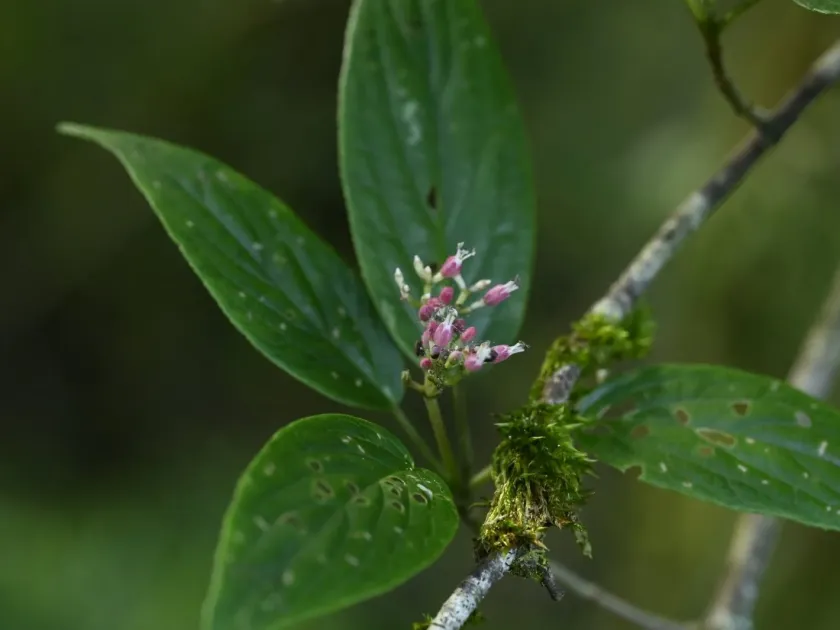
Description
Growing requirements
Urceolate viburnum (Viburnum urceolatum) is a unique shrub belonging to the Adoxaceae family. Native to the mountainous forest regions of Asia, it is recognized for its distinctive floral structure and evergreen foliage that adds value to specialized gardens.
This species thrives in nutrient-rich, moist, and well-drained soils. It performs best in conditions that mirror its natural woodland habitat, requiring a substrate that is both airy and capable of retaining consistent moisture throughout the growing season.
In terms of light exposure, partial shade is ideal. The plant is sensitive to intense heat and direct sun, which can dehydrate its leaves and restrict its natural growth patterns, therefore site selection is critical for success.
Effective agrotechnical practices for this shrub involve regular mulching around the root zone. This helps in maintaining a stable soil temperature and preserving moisture, which is essential for the healthy development of this moisture-loving species.
Maintenance also includes seasonal fertilization with balanced organic matter. Proper spacing during planting is necessary to ensure adequate airflow, which is a major factor in preventing environmental stress for the shrub.
Main diseases and pests
Pathogenic fungi are the primary threats to this plant, often induced by poor air circulation or excessive soil moisture. Leaf spots and powdery mildew are the most common concerns that gardeners encounter in humid climates.
Aphids are the most frequent insect pests. These pests feed on the nutrient-rich sap of young shoots and buds, causing stunted growth and leaf curling, which significantly detracts from the plant's overall aesthetic appeal.
Leaf-eating beetles may also cause damage during the peak summer months. It is important to perform regular visual inspections to identify these insects early before they cause widespread defoliation.
Management of these threats involves both cultural and chemical control. Removing affected plant parts and ensuring the site is not overcrowded can often prevent minor infestations from becoming significant problems.
In cases of severe pest or disease outbreaks, specific fungicides or insecticides should be applied according to professional recommendations. Always prioritize treatments that minimize impact on beneficial garden insects.