
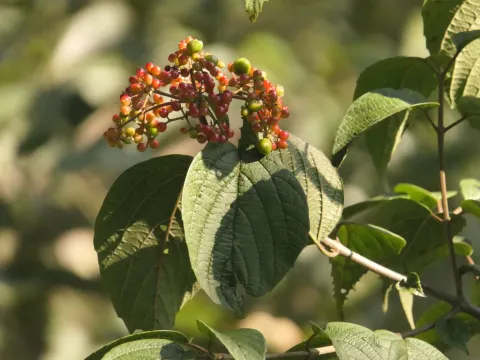
Viburnum mullaha
Viburnum mullaha
Propagation of Viburnum mullaha is typically achieved through seed germination or vegetative cuttings, which require specific preparation steps.
What the section contains
Viburnum mullaha
Seeds need a period of cold stratification lasting several months to break dormancy and ensure high germination rates during the following spring season.
Sowing should be done in well-drained seed trays or directly in the ground during autumn, allowing natural winter conditions to stimulate the embryo.
Softwood or semi-hardwood cuttings are often taken in mid-summer, providing the best success rate for rooting when treated with growth hormones.
Young plants should be transplanted to their permanent locations only after the root system has sufficiently developed to withstand environmental shifts.
Viburnum mullaha belongs to the Adoxaceae family and is native to high-altitude regions in Asia, influencing its specific climate preferences.
The shrub thrives in fertile, moist, and well-drained soils, requiring consistent moisture levels especially during the dry summer months.
While it is relatively adaptable, it prefers partial shade, which helps prevent leaf scorch and keeps the soil moisture levels stable throughout the day.
In terms of soil pH, the plant prefers slightly acidic to neutral conditions to maximize nutrient uptake and overall metabolic health.
Protection from severe frost is recommended for younger specimens, and mulching the root area helps maintain consistent temperatures and soil humidity.
The production of fruits in Viburnum mullaha is a gradual process that intensifies as the shrub matures and establishes a robust root structure.
Proper pruning techniques are essential to encourage branching and increase the surface area available for fruit development in subsequent years.
The fruits serve as an attractive food source for local bird populations and add aesthetic value to the garden landscape during the late season.
Although not grown on a commercial scale for mass production, its berries provide significant potential for specific culinary or medicinal applications.
Harvesting usually involves collecting the berries once they reach full coloration, ensuring the plant is not overstressed by excessive fruit load.
Like many species in its genus, Viburnum mullaha is susceptible to fungal issues such as powdery mildew, particularly in areas with poor airflow.
Insect pests, including aphids and leaf beetles, may target tender young foliage, potentially causing stunted growth if left unmanaged.
A proactive approach using regular monitoring and targeted pesticide application can effectively control pest populations before they cause damage.
Good cultural practices, such as removing fallen leaves and pruning away infected branches, help eliminate overwintering sites for various plant pathogens.
Maintaining proper spacing between shrubs reduces the likelihood of rapid disease transmission, fostering a healthier overall growth environment.
Harvesting should be timed precisely with the ripening of the fruits, typically indicated by a shift in color to their mature dark or red hue.
Using sharp tools to carefully remove fruit clusters helps preserve the integrity of the shrub’s branches and protects future growth buds.
Once harvested, fruits should be kept in a cool, dry place to prevent the rapid degradation and fungal infection often caused by moisture.
Post-harvest care includes providing the shrub with sufficient water and nutrients to aid in recovery before the onset of the colder winter period.
Drying the collected fruit allows for long-term storage and enables the utilization of the harvest for various herbal tea blends or decorative arrangements.