
Viburnum erosum
Viburnum erosum
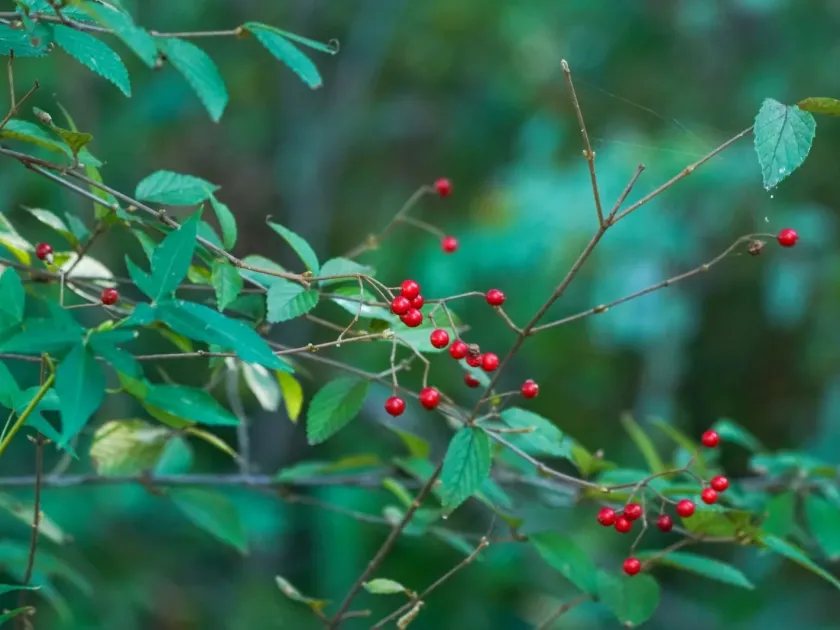
Description
Growing requirements
Viburnum erosum is a deciduous shrub belonging to the Adoxaceae family, native to East Asia, including Japan, Korea, and China. It is highly valued for both its ornamental properties and its ability to thrive in various forest-margin habitats.
The plant requires well-drained, fertile soil with a neutral to slightly acidic pH level. It performs best in partial to full sun, although it can tolerate light shade. Maintaining proper soil moisture is critical during the initial growth stages, though established plants are moderately hardy.
Agronomic practices for this species focus on providing regular organic fertilization and ensuring sufficient space for root system expansion. As a hardy plant, it is capable of withstanding moderate temperature fluctuations, making it suitable for temperate regions.
Botanically, it is characterized by its distinctively serrated leaves, which give it the specific name "erosum." The shrub typically reaches a height of 1 to 3 meters, forming a dense crown that is effective for erosion control and biodiversity support.
Its хозяйственное usage spans from landscape architecture to potential medicinal applications. The fruits serve as a vital food source for local fauna, contributing to the ecological balance in agricultural areas where it is cultivated.
Main diseases and pests
Powdery mildew is a common fungal disease that affects Viburnum erosum, especially in humid and stagnant air conditions. Improving airflow through systematic pruning is the most effective cultural method to prevent the spread of the pathogen.
Leaf beetles, particularly those specializing in Viburnum species, can cause significant defoliation. Integrated pest management strategies, including the use of biological control agents and targeted chemical applications, are recommended for large-scale cultivation.
Aphid infestations are frequently observed on young tender shoots, necessitating early detection and intervention. Applying systemic insecticides or natural soaps can effectively mitigate the impact of these pests on the plant's overall vigor.
Root rot is a major threat resulting from excessive irrigation or poor drainage systems. Agronomists must ensure that the cultivation site is adequately prepared with proper drainage to prevent hypoxia in the root zone and subsequent decay.
Mites can become problematic during hot, dry spells, stressing the plant and reducing its photosynthetic efficiency. Regular scouting and maintaining optimal irrigation schedules are essential for preserving plant health throughout the growing season.