
Wilson's Viburnum
Viburnum wilsonii
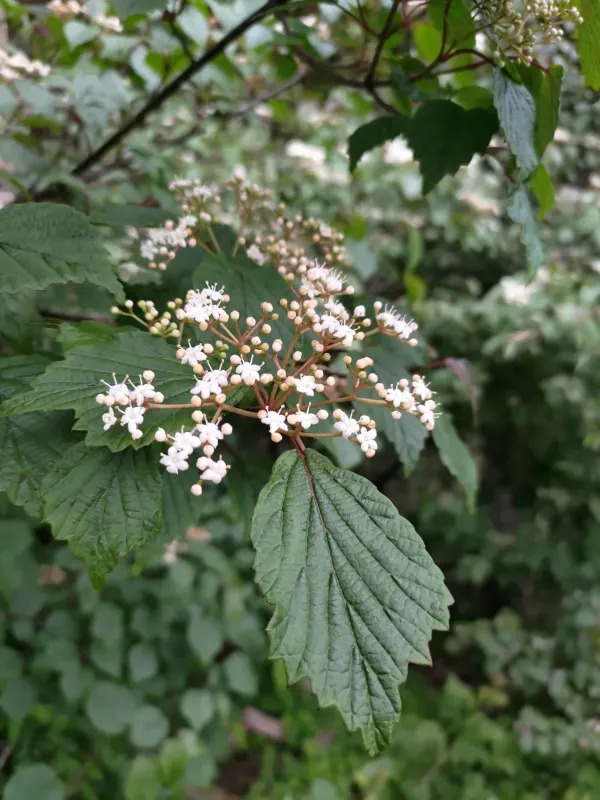
Description
Growing requirements
Wilson's Viburnum (Viburnum wilsonii) is a perennial ornamental shrub belonging to the Adoxaceae family. Native to the mountain forests of China, this species thrives in sheltered environments with consistent moisture and protection from harsh elements.
The plant has specific soil requirements, preferring fertile, well-draining loams with a neutral to slightly acidic pH. Avoiding waterlogged conditions is essential, as the roots are highly susceptible to rot if soil drainage is insufficient.
Climate adaptability is a key factor; this shrub performs best in partial shade, where the foliage is protected from intense afternoon heat. It requires a relatively cool and humid climate to maintain its lush appearance throughout the growing season.
Maintenance involves regular monitoring of soil moisture, especially during dry spells. Adding organic mulch around the base of the plant helps to conserve water and regulate soil temperatures, promoting healthy root development.
Pruning should be performed early in the spring to remove dead or diseased wood. This practice encourages denser growth and enhances the overall structure of the shrub, allowing for better light penetration into the interior of the crown.
Main diseases and pests
Viburnum wilsonii is prone to common garden pathogens such as powdery mildew, which often develops in stagnant air conditions. Ensuring proper spacing between plants is an effective way to improve air circulation and prevent fungal outbreaks.
Pests, particularly aphids and viburnum leaf beetles, can pose a significant threat to the foliage. Infestations lead to distorted leaves and loss of vigor, necessitating early detection and prompt action to prevent long-term damage.
Integrated pest management strategies are recommended, focusing on physical removal of pests where feasible. For larger infestations, horticultural oils or systemic insecticides may be used to provide effective protection.
Monitoring the plant for early signs of distress is crucial for successful cultivation. Regular visual inspections during the spring and summer months help identify potential threats before they affect the entire shrub.
Maintaining high hygiene standards in the garden, including the disposal of fallen leaves and infected plant parts, significantly reduces the survival rate of overwintering pathogens and pests.