
Viburnum nervosum
Viburnum nervosum
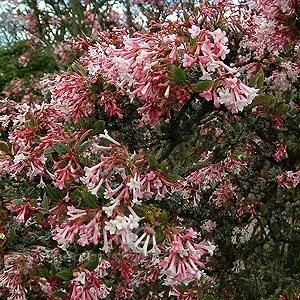
Description
Growing requirements
Viburnum nervosum is a deciduous shrub belonging to the Adoxaceae family. It is recognized for its unique botanical structure, characterized by distinct venation in its leaves, which gives the species its specific name and distinguishes it from other common Viburnum varieties.
Native to the mountainous regions of Asia and the Himalayas, this plant thrives in environments that mimic its natural forest-floor habitat. It prefers sheltered locations with consistent moisture and protection from harsh weather conditions that could damage its foliage and stems.
The cultivation of this species requires well-drained, nutrient-rich soil with a slightly acidic to neutral pH level. Proper site preparation, including the incorporation of compost or peat, is essential to ensure that the root system develops healthily without risk of waterlogging.
Agricultural maintenance involves regular mulching to keep the soil cool and moist during the growing season. While the shrub is relatively hardy, it benefits significantly from a light annual pruning to remove deadwood and maintain a structured shape, promoting airflow through the canopy.
Propagation is generally performed through seeds that require cold stratification or via cuttings taken during the dormant season. The species is primarily utilized for its aesthetic value in botanical collections and residential landscaping, requiring specific care to reach its full potential.
Main diseases and pests
Viburnum nervosum is susceptible to several common horticultural diseases, including powdery mildew, which manifests as a dusty white coating on leaf surfaces. Maintaining adequate spacing between individual plants is the most effective cultural practice for preventing the spread of these pathogens.
Pest pressure often comes from leaf-eating beetles and aphids that congregate on new terminal growth. Integrated pest management strategies, such as introducing beneficial insects or applying localized horticultural oils, are effective in controlling infestations without compromising the plant's health.