
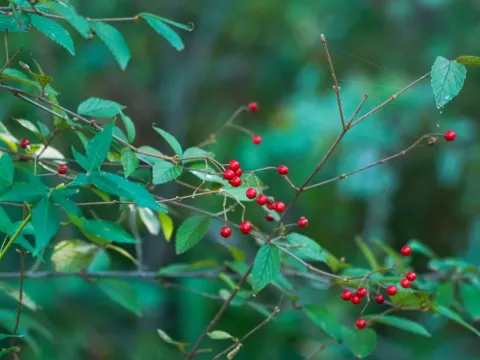
Viburnum ichangense
Viburnum ichangense
Propagation of Viburnum ichangense in nurseries is primarily carried out vegetatively through green cuttings, which are planted during the period of active shoot growth. In the case of seed propagation, sowing is performed in the autumn immediately after harvesting directly into the ground or in greenhouses during winter.
What the section contains
Viburnum ichangense
Seeds of this species exhibit deep dormancy, thus requiring cold stratification at 1 to 5 degrees Celsius for 3 to 4 months before spring sowing. The optimal time for transplanting nursery-grown plants to their permanent location is early spring before sap flow begins or in late autumn.
For planting, select sites with loose, fertile soil, pre-enriched with organic matter such as humus or compost. The spacing between mature shrubs when creating hedges should be at least 1.5 to 2 meters to ensure proper canopy aeration and plant health.
Young plants require regular watering during the first two years after planting, especially during dry spells. Establishment success is significantly higher if the root zone is mulched with peat or wood chips, which helps retain moisture and suppress weed growth.
The structural formation of the shrub begins in the third year, involving sanitary pruning and light shaping. The crop responds well to annual applications of balanced nitrogen, phosphorus, and potassium fertilizers at the start of the growing season.
Viburnum ichangense belongs to the Adoxaceae family and is a deciduous shrub native to the mountainous regions of China. In its natural habitat, it thrives in the understory of mixed forests, preferring moist yet well-drained soil conditions.
The species shows moderate frost resistance, so in regions with harsh winters, it requires protection or placement in areas shielded from cold winds. It develops best in soils with a neutral or slightly acidic pH, avoiding heavy, waterlogged clay soils.
This plant is sun-loving but tolerant of light shade, which is typical of its natural forest environment. Direct sunlight promotes more prolific flowering and leads to the development of brighter fruit colors during the autumn season.
The optimal temperature range for active growth is between 18 and 25 degrees Celsius. During hot summer months, the plant requires supplemental irrigation as its shallow root system is sensitive to water deficits in the topsoil.
The crop is highly valued for its aesthetic appeal, featuring oval leaves with prominent veining and clusters of white flowers. In autumn, the shrub gains exceptional ornamental value due to an abundance of bright red fruits that contrast beautifully with the foliage.
The main pests affecting Viburnum ichangense include the viburnum leaf beetle, which can severely defoliate branches during the growing season. Additionally, aphids may infest the plant, targeting young shoots and flowers, which leads to stunted growth.
Among fungal diseases, powdery mildew poses the greatest threat, appearing as a white powdery coating on leaves when humidity is high. Regular inspection allows for the early detection of infection spots and the timely application of fungicides.
To prevent pest spread, it is recommended to conduct preventive insecticide treatments before the flowering stage. Sanitary pruning of damaged or infected branches in autumn significantly reduces the risk of reinfection in the following season.
Leaf spot diseases can also occur if horticultural practices are neglected, especially in crowded plantings with poor air circulation. It is crucial to maintain cleanliness around the root zone and timely remove fallen leaves that may harbor fungal spores.
Healthy plants with proper maintenance exhibit strong immunity against most viburnum-specific diseases. Maintaining optimal planting density is key to the plant's longevity and the prevention of major infection outbreaks.
Harvesting the fruits of Viburnum ichangense typically occurs in late summer or early autumn when the berries reach their characteristic vibrant red color. Harvest is best conducted in dry weather by cutting the entire fruit clusters to avoid damaging the delicate berry skin.
The fruits of this viburnum species are used in culinary applications to create vitamin-rich drinks, infusions, and as additions to desserts. When fresh, the berries may have a tart flavor profile, which often mellows after the first autumn frosts.
For long-term storage, the fruits are dried in professional chambers or frozen, which allows for the preservation of essential micronutrients. It is important to complete the harvest before heavy frosts to prevent bird damage or over-ripening.
In commercial agriculture, the yield of this species is relatively low, making its primary value ornamental. Nevertheless, as a landscape design element, Viburnum ichangense is prized for its reliable fruiting and high visual appeal.
Careful sorting after harvest helps remove defective berries, which is critical for processing quality. When stored properly, dried viburnum can be used as a restorative health supplement during the winter months.