
Viburnum parvifolium
Viburnum parvifolium
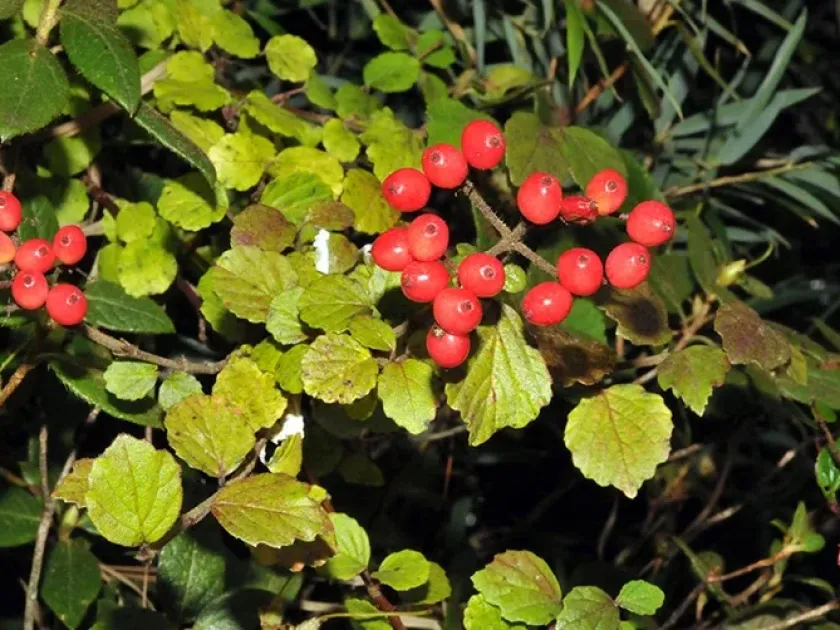
Description
Sowing dates
Planting Viburnum parvifolium is generally performed during the dormant season, either in early spring before bud break or in late autumn once the leaves have fallen.
For propagation from seeds, stratification is essential. Seeds should be kept in moist conditions at low temperatures for several months to break dormancy before spring sowing.
Stem cuttings are the most efficient method for rapid cultivation. Taking semi-hardwood cuttings in early summer ensures higher success rates in root formation when kept under high humidity.
When selecting a planting site, provide sufficient space for the shrub to spread, as mature plants require at least 2 to 3 meters of clearance for proper air circulation.
Incorporating organic compost into the planting hole helps establish a strong root system, providing a foundation for healthy vertical growth during the initial establishment year.
Growing requirements
Belonging to the Adoxaceae family, Viburnum parvifolium thrives in temperate climates, showing significant resilience to variations in seasonal weather patterns.
The ideal soil profile is well-drained but moisture-retentive, consisting of loamy textures with a slightly acidic to neutral pH level for optimal nutrient availability.
While these plants are somewhat adaptable to shade, exposure to direct sunlight for at least six hours a day significantly enhances foliage density and overall plant vigor.
Regular mulching with organic bark or compost keeps the root zone cool and moist, reducing the frequency of irrigation required during hot summer months.
Annual maintenance involves light pruning to shape the canopy and remove dead wood, which helps maintain the aesthetic appeal of this ornamental species.
Main diseases and pests
The viburnum leaf beetle is the most destructive pest for this genus. Larvae feed on the leaf tissue, leaving behind only the skeleton of the leaves if left untreated.
Aphids tend to congregate on the succulent growth of the plant in spring, leading to distorted foliage and potential transmission of plant viruses.
Fungal infections, such as powdery mildew, often occur during periods of prolonged high humidity and lack of air movement between branches.
Effective management strategies include the use of dormant horticultural oils for pest control and systemic fungicides to address fungal pathogens promptly.
Maintaining a clean garden environment by removing leaf debris helps to disrupt the life cycle of common pests and pathogens that overwinter in the soil.