
White Elderberry
Sambucus gaudichaudiana
Description
Growing requirements
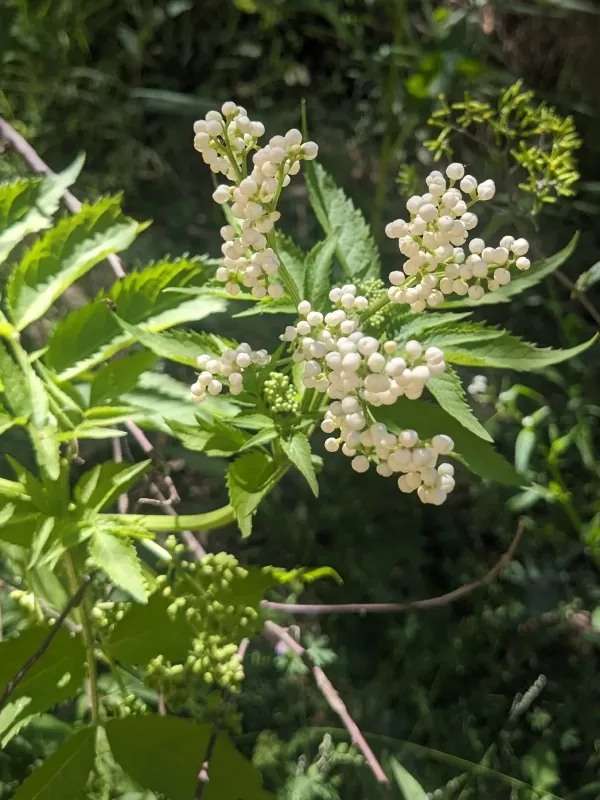
Sambucus gaudichaudiana, commonly known as White Elderberry, is a distinct perennial herb within the Adoxaceae family. It is characterized by its herbaceous habit, which sets it apart from the more common woody shrub species within the genus Sambucus.
The plant is native to Australia, where it naturally thrives in moist, sheltered environments such as forest margins. Its distribution is highly dependent on specific microclimates that provide consistent moisture and protection from harsh weather conditions.
When cultivating this species, farmers and gardeners must prioritize soil fertility and drainage. A rich, loamy substrate with a neutral to slightly acidic pH is ideal for promoting vigorous growth and healthy foliage development throughout the season.
Climatic requirements focus on maintaining moderate temperatures and avoiding extreme solar exposure. The species performs best in semi-shaded areas, which simulate its native understory habitat and prevent leaf scorch in warmer regions.
The primary use of Sambucus gaudichaudiana lies in botanical collections and specialty ornamental landscaping. Its unique structural form provides texture and visual interest in garden designs, though it remains a niche species globally.
Main diseases and pests
Fungal issues are a common concern for this plant, particularly in humid environments where air circulation is restricted. Monitoring for signs of leaf spots is essential to maintain plant health and prevent the spread of infections.
Pests such as aphids and spider mites can occasionally cause damage to the foliage during periods of low precipitation. Implementing integrated pest management strategies, including the introduction of beneficial insects, can help control these populations effectively.