
Viburnum sympodiale
Viburnum sympodiale
Description
Growing requirements
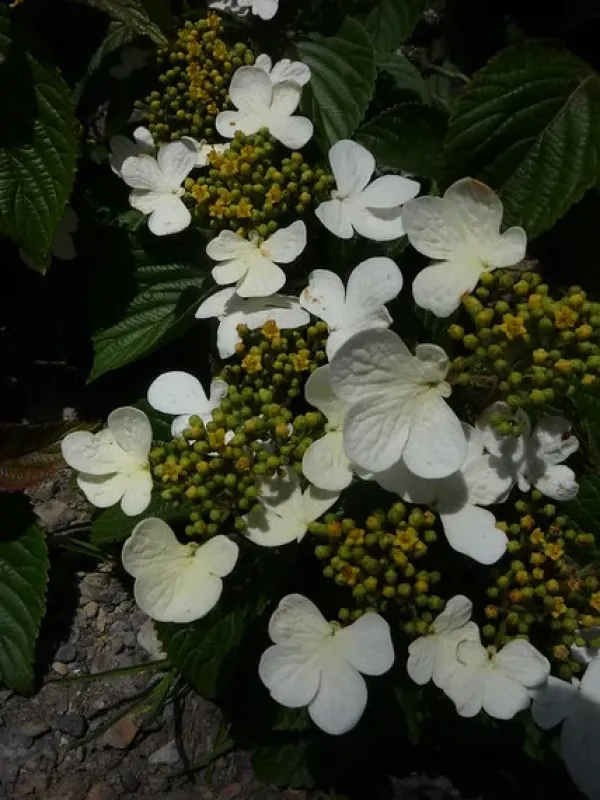
Viburnum sympodiale is a perennial woody shrub belonging to the Adoxaceae family. Native to the mountainous regions of Eastern Asia, this species is noted for its distinct growth habit and structural beauty in garden landscapes.
The plant thrives in partial shade with consistent moisture levels. Ideal soil conditions consist of humus-rich, well-drained substrate with a pH range varying from slightly acidic to neutral, avoiding waterlogged sites at all costs.
Climate requirements include protection from desiccating winds and extreme temperature fluctuations. While it is relatively hardy, young plants require winter mulching to protect the superficial root system from freezing soil temperatures.
Cultivation practices focus on maintaining soil fertility through organic amendments applied during the early spring. Mulching is essential not only for moisture retention but also for suppressing weed growth around the plant base.
Regular pruning is recommended to maintain the plant's shape and encourage healthy bud development. This should be executed after flowering or in the late winter dormancy period to ensure that the natural sympodial growth pattern is not disrupted.
Main diseases and pests
The primary pests affecting Viburnum sympodiale are viburnum leaf beetles. These insects can cause severe defoliation if left unchecked, making early detection and manual removal or insecticide application crucial.
Powdery mildew is a common fungal threat, particularly in dense plantings with poor airflow. Improving the spacing between shrubs and reducing overhead watering can significantly mitigate the risk of infection.
Aphid colonies frequently settle on tender young growth, hindering proper leaf expansion. Integrated pest management, including the use of neem oil or insecticidal soaps, is effective for small-scale infestations.
Root rot is a physiological condition caused by poor soil drainage and water saturation. Ensuring a high-quality drainage layer during planting is the most effective preventative measure against this silent killer.
Leaf spot diseases, caused by various fungal pathogens, appear during high humidity seasons. Sanitation, which involves removing and destroying fallen debris, is vital for breaking the disease cycle and maintaining plant vigor.