
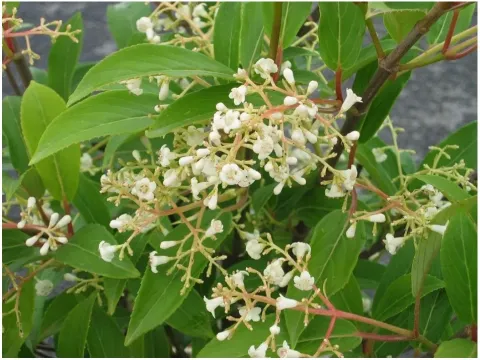
Hillier viburnum
Viburnum hillieri
Hillier viburnum (Viburnum hillieri) is a hybrid ornamental shrub belonging to the Adoxaceae family. Developed for its aesthetic appeal, this plant is characterized by its attractive foliage and graceful growth habit, making it a favorite for landscape designers.
What the section contains
Hillier viburnum
The shrub thrives in fertile, moist, and well-drained soils with a slightly acidic to neutral pH. It performs best in locations that receive full sun to partial shade, where the light intensity promotes optimal flowering and healthy leaf development throughout the season.
Climatic adaptability is one of its notable traits, though the plant benefits from protection against harsh, drying winds. In colder climates, young shrubs should be provided with winter mulching to insulate the root system and protect them from deep freezing of the soil.
Agronomic management requires consistent irrigation, particularly during prolonged dry spells. Mulching the base of the plant helps retain soil moisture and suppresses competing weeds, reducing the need for mechanical weeding near the sensitive root zone.
As a landscape plant, Hillier viburnum serves various purposes. It is excellent for shrub borders, as a focal point in small gardens, or as part of a mixed hedge. Pruning is best performed after the flowering period to maintain the desired shape and promote bushy growth.
Common pests affecting Viburnum hillieri include aphids and the viburnum leaf beetle. These insects can cause significant damage to the leaves by skeletonizing them. Regular inspection of the foliage during the growing season allows for early intervention and pest management.
Fungal diseases like powdery mildew are common in poorly ventilated areas or locations with high humidity. Proper spacing between plants and regular thinning of the branches are effective cultural practices to reduce the incidence and spread of these fungal infections.
Root rot is a critical concern for this species, especially in heavy or waterlogged soils. Ensuring an efficient drainage system at the planting site is essential to avoid anaerobic conditions that favor root pathogens and lead to plant decline.
Integrated Pest Management (IPM) strategies are recommended for long-term health. Using soaps or neem-based oils can be highly effective against aphids while being less harmful to beneficial insects in the garden environment.
Maintaining high plant vigor through balanced fertilization and correct watering practices significantly reduces susceptibility to most biotic stresses. Healthy plants have better natural defenses against both leaf-feeding insects and recurring fungal issues.