
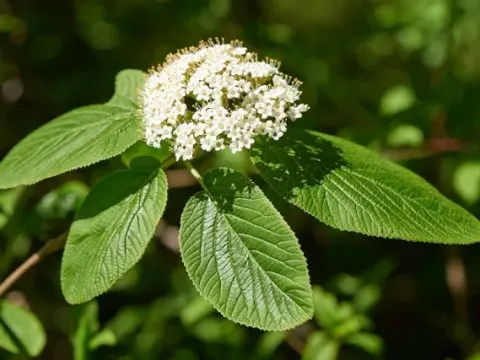
Hybrid viburnum
Viburnum hybrids
Planting hybrid viburnum is best performed during early spring, before the onset of sap flow, or during autumn, several weeks before the ground freezes.
What the section contains
Hybrid viburnum
The soil should be prepared by incorporating organic matter and fertilizers to ensure that the root system develops successfully in the new environment.
Vegetative propagation, particularly using stem cuttings or layering, is the preferred method for maintaining the specific traits of these hybrid cultivars.
For commercial or garden plantations, spacing between shrubs should be approximately 3 to 4 meters to allow for healthy air circulation and optimal crown expansion.
High-quality nursery-grown saplings with a robust root system are crucial for ensuring the rapid establishment and longevity of the hybrid plants.
As a member of the Adoxaceae family, hybrid viburnum thrives in sunny or partially shaded locations, requiring consistent light to ensure regular blooming.
The plants prefer well-drained, fertile loamy soils with a neutral to slightly acidic pH level for the best vegetative performance and fruit development.
Although these hybrids are generally cold-hardy, younger plants may benefit from protective mulch around the base during the first few years in colder climates.
Consistent moisture management is necessary; while established plants are somewhat drought-tolerant, supplemental watering during dry spells improves overall health.
Routine maintenance includes annual pruning, which is essential for removing dead wood and encouraging the growth of new, productive flowering stems.
Hybrid viburnum varieties are specifically bred to produce higher yields of larger, more palatable fruit compared to their wild relatives.
The first significant harvest typically occurs 3 to 4 years after planting, with the bushes reaching peak productivity between years 7 and 10.
When managed properly, a mature, healthy shrub can produce between 5 and 15 kilograms of fruit, making it a viable option for small-scale production.
The fruit contains a wealth of vitamins and polyphenols, driving demand in both the culinary and natural supplement markets.
Balanced fertilization, specifically incorporating potassium and phosphorus after the flowering phase, helps increase berry size and sugar content.
The most common pest affecting viburnum is the viburnum leaf beetle, which can cause significant damage by defoliating the plant during the growing season.
Aphids are another major concern, as they cluster on young, tender growth and sap the plant of essential nutrients, leading to curled leaves.
Fungal issues, such as powdery mildew and various leaf spot diseases, can occur in damp or crowded conditions where air circulation is restricted.
Effective pest and disease control requires proactive monitoring and the application of integrated pest management strategies, including biological controls.
- Removal of infested twigs
- Thinning out the center of the canopy
- Proper site selection to minimize humidity
Harvesting should take place once the berries reach full biological maturity, indicated by their vibrant color and improved flavor profile.
Berries are usually harvested in large clusters to prevent crushing and bruising of the delicate skin during the collection process.
Post-harvest handling is critical; berries should be kept in a cool, ventilated place to preserve their quality before final processing.
Hybrid viburnum fruit is versatile and can be used for juices, jams, preserves, or frozen for later use in dietary supplements and syrups.
Proper organization of the harvest window is key to ensuring that the nutritional benefits of the berries remain intact for consumer use.