
Hazel-leaf viburnum
Viburnum corylifolium
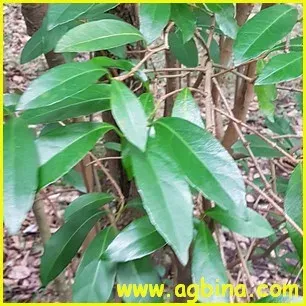
Description
Growing requirements
Hazel-leaf viburnum (Viburnum corylifolium) is a deciduous shrub belonging to the Adoxaceae family. It is recognized for its unique foliage and is cultivated primarily for its ornamental value and potential medicinal uses.
The culture thrives best in fertile, well-drained loamy soils. It prefers a neutral or slightly acidic soil environment, which allows the root system to efficiently absorb necessary nutrients throughout the growing season.
Regarding climate requirements, this plant prefers temperate conditions with moderate rainfall. While it has a degree of drought tolerance once established, consistent soil moisture is crucial for the development of healthy flowers and fruits.
Agrotechnical practices involve yearly pruning to maintain the shape of the shrub and prevent overcrowding. Proper airflow within the canopy is essential to reduce the risk of humidity-related issues during the summer heat.
Fertilization should be balanced, focusing on organic matter application in the spring. This approach supports the long-term fertility of the soil and promotes robust growth of new stems and leaves annually.
Main diseases and pests
The most common pests affecting this shrub are the Viburnum leaf beetle and various aphid species. These insects can cause significant defoliation if left untreated during the early spring growth flush.
Powdery mildew represents the primary fungal threat, appearing as a characteristic white coating on the leaves. It thrives in stagnant, humid environments with poor sunlight penetration.
Leaf spot diseases can also occur, particularly in regions with high humidity. These infections weaken the shrub and can lead to premature leaf drop if not managed correctly.
Effective management includes integrated pest control strategies, emphasizing natural predators and the use of targeted biological sprays when infestations reach economic thresholds.
Maintenance of garden hygiene, such as removing fallen leaves at the end of the season, significantly reduces the overwintering capacity of common pathogens and pests.