
Hubei viburnum
Viburnum hupehense
Description
Growing requirements
Hubei viburnum (Viburnum hupehense) is a deciduous shrub belonging to the Adoxaceae family, originating from Central China. It is highly regarded by horticulturists for its elegant growth habit and attractive seasonal changes, making it a staple in ornamental gardens.
The plant thrives in locations that provide plenty of sunlight while offering protection from harsh afternoon sun. It prefers nutrient-rich, moist, yet well-drained soil, ideally with a neutral to slightly acidic pH for optimal root development.
In terms of climatic adaptation, this species requires shelter from strong, drying winds. While it shows reasonable hardiness, protecting the base of the plant during the first few years of establishment is recommended for regions with severe winter freezes.
Agrotechnical maintenance focuses on consistent irrigation during the growing season, particularly during prolonged dry spells. Applying organic mulch around the root zone helps conserve soil moisture and suppress weed development throughout the summer.
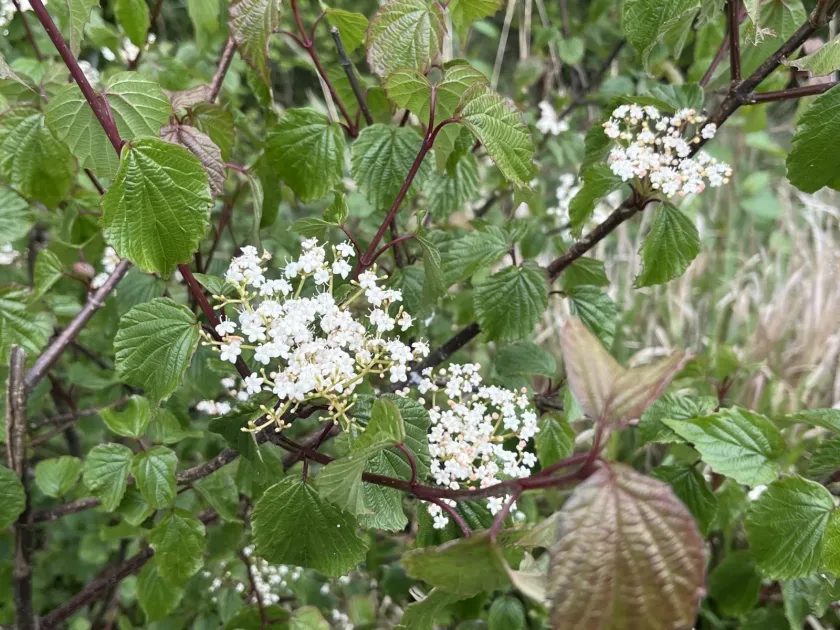
Botanically, it is characterized by ovate leaves with serrated margins and striking white corymbose flowers. In late summer and autumn, the plant produces abundant red berries, which serve as a significant ornamental feature against the backdrop of changing foliage.
Main diseases and pests
The primary pests affecting Hubei viburnum include aphids, which frequently target developing shoot tips. Monitoring for these pests in late spring is essential to prevent stunted growth and ensure the health of the young foliage.
Viburnum leaf beetles are another significant concern, as they feed on leaf tissues and can quickly cause extensive damage to the canopy. Implementing integrated pest management strategies, including targeted insecticide use, is advised.
Powdery mildew often appears during periods of high humidity combined with poor air circulation. Thinning the branches to promote airflow within the shrub is a crucial cultural practice to mitigate the risk of fungal outbreaks.
Leaf spot diseases are commonly associated with poor hygiene under the shrub or excessive overhead watering. Removing fallen leaves during the dormant season is a simple yet effective step to reduce pathogen pressure.
To support plant vigor, avoid over-fertilizing with high-nitrogen products late in the season, as this can stimulate weak growth prone to infection. A balanced approach to nutrition and site management ensures long-term resilience against environmental stressors.