
Harry Viburnum
Viburnum harryanum
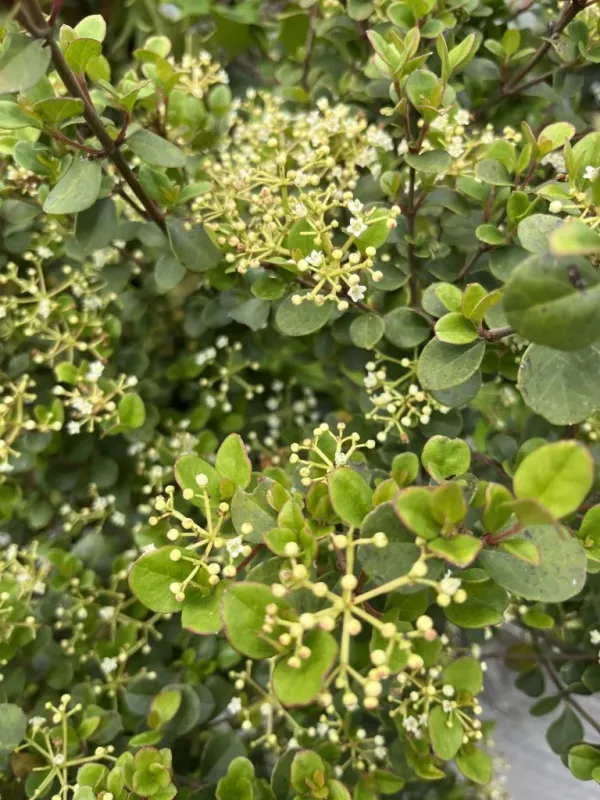
Description
Growing requirements
Harry Viburnum (Viburnum harryanum) is an evergreen or semi-evergreen shrub belonging to the Adoxaceae family. Native to the mountainous regions of China, this species is noted for its neat growth habit and distinctive foliage, making it a valuable addition to ornamental landscapes.
This shrub thrives in moderately moist, nutrient-rich soils that have excellent drainage. It is important to ensure the soil pH is neutral or slightly acidic to promote optimal nutrient uptake and long-term plant health.
Consistent irrigation is essential during the plant's establishment phase and throughout dry summer periods. However, gardeners must avoid waterlogged conditions, as the root system is sensitive to low-oxygen environments caused by excess moisture.
When selecting a planting site, choose an area with partial shade or filtered sunlight. While the plant appreciates light, intense, direct sunlight can cause leaf scorching, particularly in regions with high heat levels.
Cold hardiness is a critical consideration for this species, as it is not fully frost-tolerant in harsh climates. Providing protective mulch and winter cover for young specimens is highly recommended to prevent cold-induced damage to the stem and roots.
Main diseases and pests
Viburnum leaf beetles are among the most significant pests for this species. These insects can defoliate a shrub rapidly if their population is not monitored during the active spring growth cycle.
Powdery mildew may occur if the plants are situated in areas with poor airflow and high humidity. This fungal pathogen manifests as a white, powdery coating on leaves, which can inhibit photosynthesis.
Root rot remains a frequent threat associated with poor drainage and excessive watering. Once the root system is compromised, recovery becomes difficult, emphasizing the need for preventative soil management.
Aphid infestations on the tender spring growth can cause curling and distortion of new leaves. A proactive approach to pest control using horticultural soaps or systemic insecticides is typically effective.
Sanitary pruning is a fundamental practice to maintain shrub health. Removing dead, diseased, or overcrowded branches improves air circulation, which reduces the overall risk of disease transmission within the crown.