
Jack's viburnum
Viburnum jackii
Jack's viburnum (Viburnum jackii) is a notable ornamental shrub belonging to the Adoxaceae family. It is a well-known hybrid, valued by horticulturists for its robust growth habit, attractive foliage, and seasonal changes that provide aesthetic appeal throughout the year.
What the section contains
Jack's viburnum
This shrub thrives in temperate climates, showing good adaptability to various environmental conditions. It prefers locations with full sun exposure to partial shade, which promotes healthy development and dense foliage. Protection from extreme winter winds is recommended in colder regions to preserve the evergreen leaves.
Regarding soil, Viburnum jackii prefers fertile, well-drained soil with a neutral to slightly acidic pH. It performs best in loamy substrates that hold moisture without becoming waterlogged. Proper site preparation, including organic matter enrichment, significantly boosts the plant's growth rate.
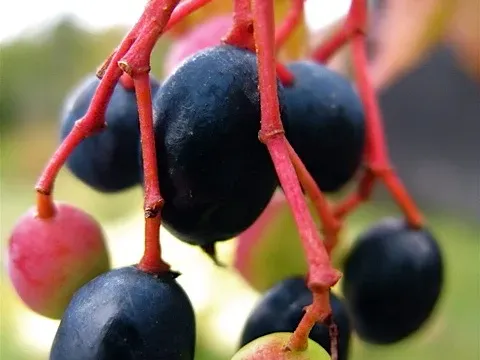
Botanically, it features leathery, wrinkled leaves and produces beautiful clusters of white flowers in the spring. As the season progresses, it forms distinct fruits, which are quite ornamental and provide food for local wildlife, enhancing the ecological value of the garden.
Basic maintenance includes regular irrigation during dry spells and annual fertilization to support vigorous blooming. Pruning is essential for shape management, removing old wood to encourage new, healthy shoots and maintaining the desired size and density of the shrub.
The primary pests affecting Jack's viburnum include the viburnum leaf beetle and aphids. These insects can cause significant leaf damage, weakening the plant if not addressed early. Implementing integrated pest management strategies helps control their population effectively.
Fungal diseases like powdery mildew are common, especially in humid and stagnant air conditions. To prevent the spread, gardeners should ensure proper spacing between shrubs, allowing for adequate air circulation which reduces the moisture trapped on leaf surfaces.
Leaf spot diseases may occur when environmental conditions are suboptimal. It is critical to perform regular sanitary prunings, removing any diseased branches or fallen leaves from the area to minimize the risk of spores overwintering and reinfecting the shrub.
Root rot is often a result of poor drainage or overwatering. By improving the soil structure with inorganic amendments like sand or gravel during planting, one can significantly mitigate the risk of root health decline and ensure long-term stability.
Maintaining a healthy plant through consistent monitoring and good cultural practices is the most effective way to resist diseases. Healthy, well-nourished specimens of Viburnum jackii demonstrate high resistance and long-lasting beauty in the landscape.