
Himalayan viburnum
Viburnum grandiflorum
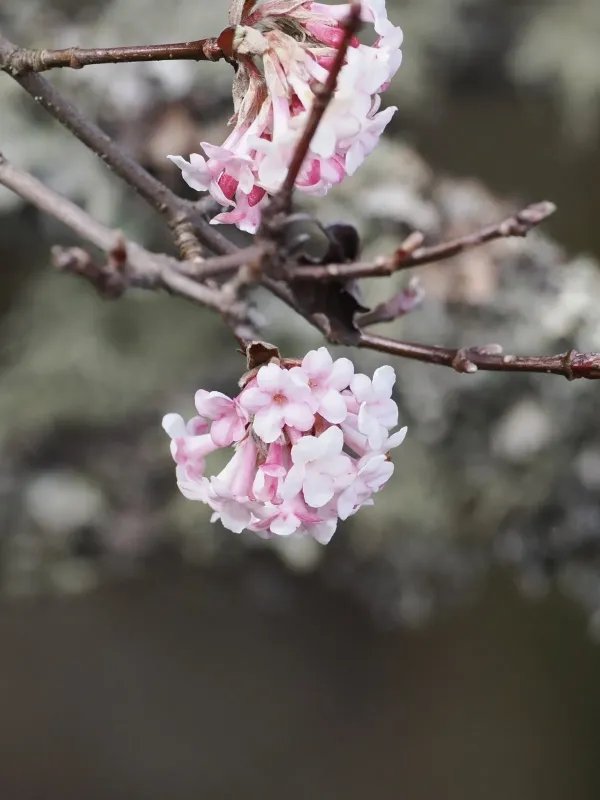
Description
Growing requirements
Himalayan viburnum (Viburnum grandiflorum) is a deciduous flowering shrub belonging to the Adoxaceae family. Native to the Himalayan region, it is well-adapted to cooler climates and higher moisture levels, making it a distinctive ornamental plant.
This shrub requires fertile, moisture-retentive, yet well-drained loamy soil to thrive. It performs best in partial shade, which prevents the foliage from scorching during the peak heat of the summer months.
Effective cultivation involves maintaining a consistent soil moisture level, especially during the spring growth phase. Applying organic mulch around the base of the plant helps regulate soil temperature and suppresses invasive weeds.
Pruning is essential for maintaining the shape and vigor of the shrub. It should be conducted immediately after flowering, as the plant sets its buds on the previous year's growth, and improper timing can reduce the floral display.
In landscaping, this species is highly valued as a specimen plant or within woodland-style garden borders. Its early, fragrant flowers provide significant aesthetic interest when many other garden plants remain dormant.
Main diseases and pests
Aphids are the most common pests, frequently targeting young growth and causing leaves to curl. Early intervention with insecticidal soaps or neem oil is highly effective in managing these outbreaks.
Powdery mildew is a common fungal disease, especially in areas with poor airflow. Ensuring adequate spacing between plants and thinning the canopy via pruning helps reduce the incidence of this infection.
Viburnum beetles can cause significant defoliation if left unchecked during late spring. Monitoring the underside of leaves for eggs and larvae is a key cultural practice for professional gardeners.
Root rot occurs in poorly drained soils or areas prone to waterlogging. Planting on raised mounds or improving soil structure with organic amendments is necessary to prevent these conditions.
By monitoring the health of the plant throughout the growing season and providing balanced nutrients, growers can ensure the Himalayan viburnum remains vigorous and resilient against various garden stressors.