
Fragrant Snowball Viburnum
Viburnum carlcephalum
Description
Growing requirements
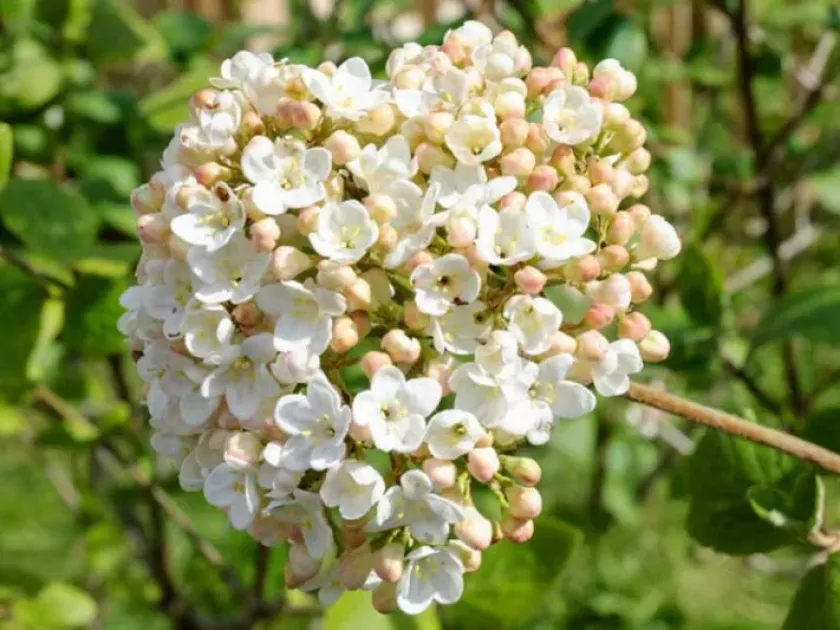
Fragrant Snowball Viburnum (Viburnum carlcephalum) is a deciduous shrub belonging to the Adoxaceae family. It is widely recognized for its large, spherical, and intensely fragrant white flower heads that emerge in late spring.
This species thrives in locations with full sun to partial shade. The soil should be fertile, well-draining, and slightly acidic to neutral. Consistent moisture is required, especially during the first few years of establishment.
Regarding climatic adaptability, the plant is hardy but benefits from protection against harsh, drying winds. In colder climates, covering the base with mulch helps insulate the root system against extreme winter temperatures.
General maintenance includes annual mulching to retain soil moisture and suppress weeds. Providing balanced fertilizers in early spring supports vigorous foliage growth and promotes the development of flower buds for the next season.
Pruning should be performed immediately after the flowering period ends. Removing crossing or dead branches helps maintain a neat shape and improves light penetration, which is essential for the overall vigor of the shrub.
Main diseases and pests
Aphids are the most common pests affecting this plant, typically congregating on the undersides of leaves and on developing flower buds. They feed on plant sap and can weaken the shrub if left unchecked.
Powdery mildew is a common fungal issue, particularly in humid climates. It presents as a dusty white coating on leaves and can reduce the aesthetic quality of the plant if environmental conditions favor fungal growth.
Root rot can occur in heavy, waterlogged soils. Ensuring excellent drainage at the time of planting is the most effective preventative measure against this potentially fatal condition for the shrub.
Integrated pest management strategies are recommended, starting with cultural practices like proper spacing. If infestation occurs, selective use of insecticidal soaps or horticultural oils can manage pest populations effectively.
For fungal issues, removing affected foliage and improving air circulation are critical steps. Fungicides may be used as a last resort if conditions persist, following the manufacturer’s application guidelines strictly.