
Gansu viburnum
Viburnum kansuense
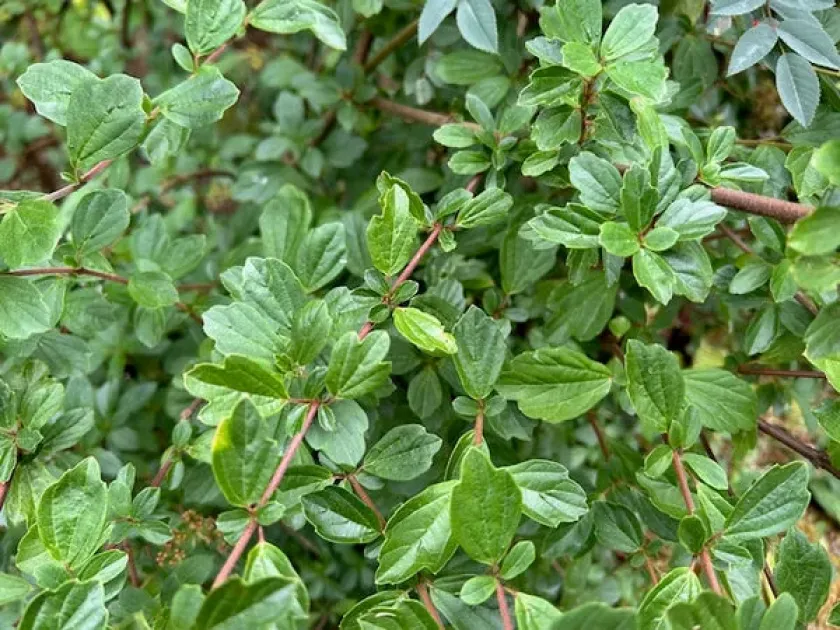
Description
Growing requirements
The Gansu viburnum (Viburnum kansuense) is a deciduous shrub that belongs to the Adoxaceae family. Native to the mountainous regions of Gansu province in China, this plant is valued in horticulture for its resilient nature and attractive foliage.
In terms of growth requirements, this species thrives in well-drained, fertile soils with a neutral or slightly acidic pH. While it is quite adaptable, it performs best when provided with consistent moisture throughout the growing season, especially in the first few years after planting.
The botanical structure of Viburnum kansuense features an elegant, spreading habit with dentate leaves and clusters of small flowers. The subsequent production of red berries provides late-season interest, making the shrub a popular choice for seasonal garden design.
Climatic adaptability is one of its strong suits; as a mountain-origin species, it withstands cool temperatures well. Ideally, it should be planted in locations that receive full sun for at least six hours a day to promote dense growth and maximum fruit production.
Landscape applications include planting as a background shrub in borders, as a low-maintenance hedge, or as a specimen plant in woodland-style gardens. Its ability to tolerate various environmental stresses makes it a reliable asset for sustainable landscaping projects.
Main diseases and pests
Common pests affecting Gansu viburnum include aphids and viburnum leaf beetles, which can cause significant foliar damage. Monitoring the undersides of leaves during the spring is essential for catching early infestations before they spread across the shrub.
Disease management focuses primarily on preventing fungal issues like powdery mildew, which can occur if airflow through the shrub is restricted. Maintaining proper spacing between plants helps ensure the foliage dries quickly after rain.
Cultural practices such as pruning in late winter or early spring are crucial. Removing old, crowded, or damaged wood improves light penetration and air circulation, significantly reducing the likelihood of fungal infections taking hold.
In cases of heavy pest pressure, application of horticultural oils or targeted insecticides may be necessary. Always read labels carefully to ensure that the chosen treatment is compatible with the surrounding garden plants and local pollinators.
Regular fertilization with a balanced, slow-release fertilizer can help the plant recover from insect feeding. A healthy, vigorous shrub is far less susceptible to environmental threats and pathogen attacks than a struggling, nutrient-deficient specimen.