
Heart-leaf viburnum
Viburnum cordifolium
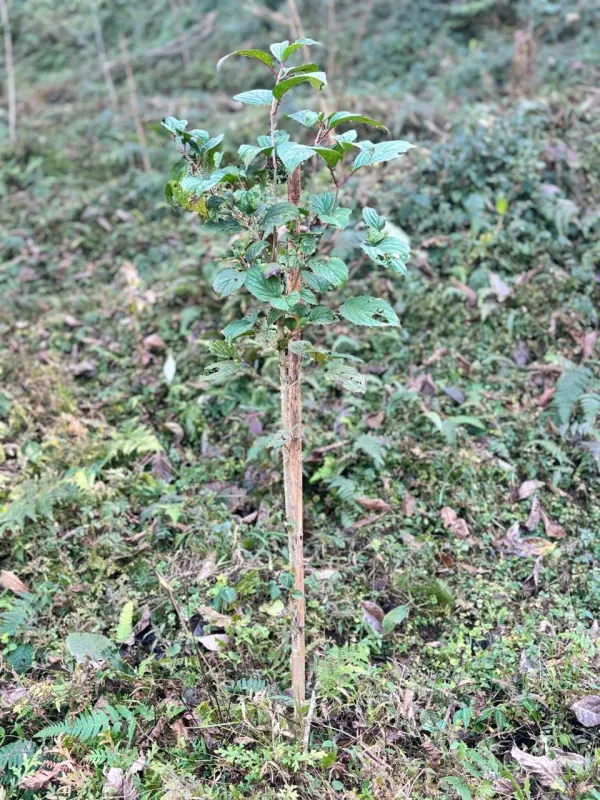
Description
Growing requirements
Heart-leaf viburnum (Viburnum cordifolium) is a deciduous shrub belonging to the Adoxaceae family, naturally occurring in the Himalayan regions. The species is highly valued by gardeners for its distinct foliage and elegant structural growth.
The cultivation of this plant requires fertile, well-draining soil rich in organic matter. While the shrub can adapt to various conditions, it performs best in positions where it is protected from scorching midday sun and excessive winds.
Water requirements remain consistent throughout the growing season. It is vital to maintain steady moisture levels, especially during prolonged dry spells, without allowing the root zone to become waterlogged, which can trigger root rot.
Agrotechnical practices involve yearly pruning to maintain shape and promote flowering. Applying mulch is highly recommended to regulate soil temperature and retain moisture, especially in regions with hot and dry summers.
From a landscape perspective, this shrub serves as an excellent decorative plant. It is frequently utilized in mixed borders, specimen planting, or group installations due to its appealing leaf texture and vibrant seasonal display.
Main diseases and pests
The primary diseases affecting the plant include powdery mildew and leaf spot. These fungal issues are typically prevented by ensuring adequate spacing between plants to improve airflow and by avoiding overhead irrigation.
Insect pests such as aphids and spider mites are common threats. Regular monitoring of the foliage is necessary to detect infestations early, allowing for effective control using horticultural oils or insecticidal soaps.