
Sericocalyx glaucescens
Sericocalyx glaucescens
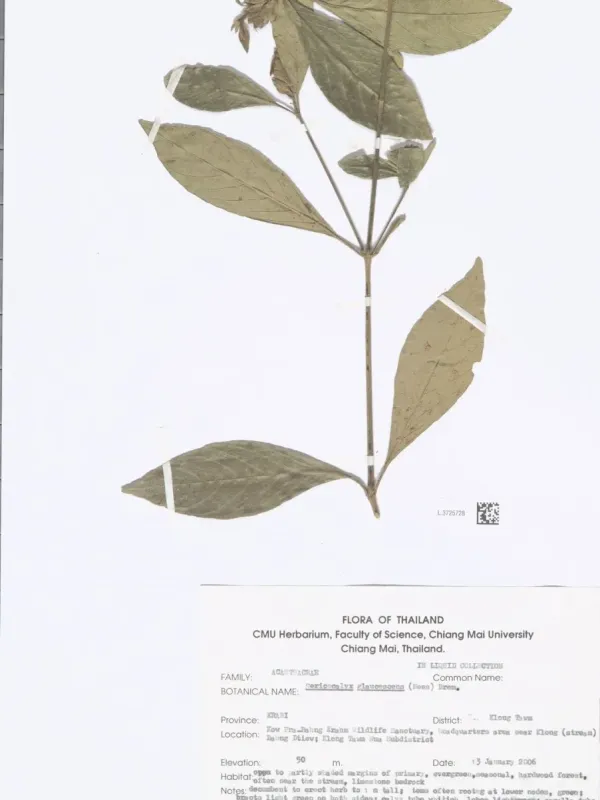
Description
Sowing dates
Sericocalyx glaucescens is a thermophilic tropical plant, making the timing of sowing highly dependent on stable environmental conditions. It is essential to ensure that there is no risk of late frosts, and the soil temperature should remain consistently above 18 degrees Celsius for successful establishment.
For indoor cultivation, seeds should be sown in early spring, approximately 8 to 10 weeks before the expected planting date. This duration allows the seedlings to develop a resilient root system, which is vital for vigorous growth during the warmer months.
The use of a light, moisture-retentive substrate is highly recommended during the sowing process. Peat-based mixes or high-quality seed-starting compost provide the necessary aeration and hydration levels required for germination.
Maintaining high humidity around the seeds is crucial for breaking dormancy. Covering the seed trays with clear plastic or using a propagation chamber helps in creating the ideal microclimate needed for the initial developmental stages.
When transitioning the young plants to their permanent site, ensure they are spaced at least 50 centimeters apart. Proper spacing facilitates optimal airflow, which is a key factor in preventing moisture-related fungal infections within the foliage.
Growing requirements
As a member of the Acanthaceae family, this species naturally thrives in tropical forest environments. It prefers partially shaded conditions, as intense, direct sunlight can easily cause physiological damage to the leaves, leading to scorching and wilting.
The soil must be fertile, rich in organic matter, and well-draining. A slightly acidic to neutral pH range, typically between 5.5 and 6.5, is ideal for the uptake of essential nutrients required for the healthy development of this tropical plant.
Water management is paramount; the soil should remain moist but never waterlogged. Since this species originates from humid ecosystems, it is particularly sensitive to drought, which can lead to rapid leaf drop and stunted shoot elongation.
Regular fertilization during the growing season is necessary to support biomass production. A balanced fertilizer with a consistent supply of nitrogen is beneficial in the early growth stages, while increased potassium levels promote better floral health.
For those growing this plant in temperate zones, a greenhouse or a climate-controlled conservatory is required. Stability in both temperature and humidity is the primary factor in ensuring that the plant reaches its full potential.
Main diseases and pests
The spider mite is considered the most significant pest for Sericocalyx glaucescens, especially in indoor conditions with dry air. These pests damage the plant by extracting cell sap, causing visible stippling and eventual necrosis of the foliage.
Aphids can also pose a threat by targeting the tender tips of new growth. Monitoring and early intervention are essential; manual removal or the application of organic soap-based insecticides can prevent large-scale infestations.
Root rot, a common fungal condition, is usually triggered by over-irrigation and poor soil drainage. Ensuring that the container or planting site has a proper drainage layer is the most effective preventative measure against this disease.
Powdery mildew may manifest as a white, dusty layer on the leaves when air circulation is inadequate. Improving the spacing between plants and reducing ambient humidity levels are standard practices for managing this type of fungal outbreak.
Maintaining a clean growing area and regularly inspecting the undersides of leaves allows for early detection of potential threats. Such proactive management practices are crucial for maintaining the vigor and aesthetic value of the crop.