
Pachystachys spicata
Pachystachys spicata
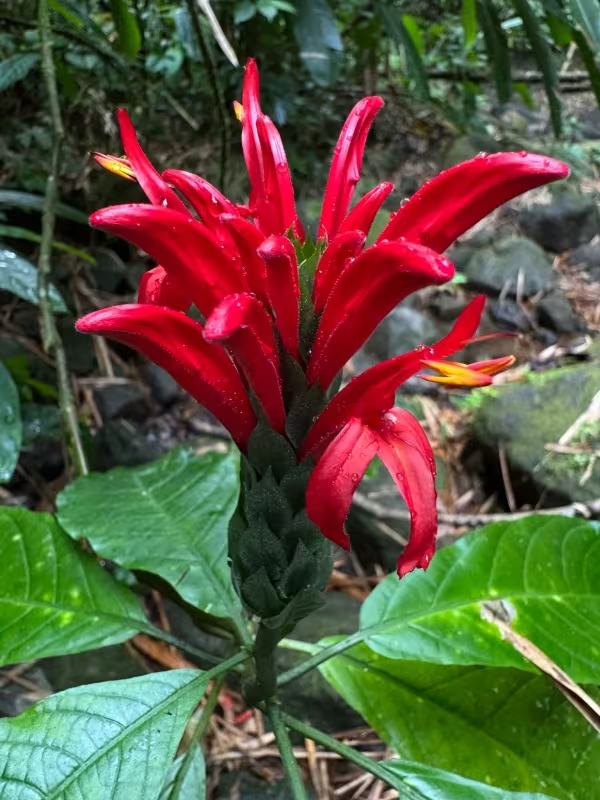
Description
Growing requirements
Pachystachys spicata is a distinguished member of the Acanthaceae family. Originally native to the tropical regions of Central and South America, it is widely appreciated for its architectural form and vibrant inflorescences.
Botanically, it grows as an evergreen subshrub. It is characterized by its deep green, ovate-lanceolate leaves and impressive terminal spikes, which feature bright orange or red bracts from which tubular flowers emerge.
This plant thrives in bright, indirect light conditions. While it loves warmth, it must be protected from direct, harsh sunlight which can scorch the foliage and reduce the intensity of its decorative colors.
Soil requirements include a rich, well-draining potting medium. It is essential to maintain consistent moisture during the growing season while ensuring that water does not pool, which could lead to suffocation of the roots.
In terms of climate, Pachystachys spicata requires high humidity and steady temperatures. It is best suited for environments where temperatures remain between 20°C and 25°C throughout the year, with minimal fluctuations.
Main diseases and pests
Common pests affecting this culture include spider mites, mealybugs, aphids, and whiteflies. These pests are particularly attracted to the plant when ambient humidity levels are low, causing the foliage to weaken.
Fungal diseases, specifically root rot, are often a consequence of poor drainage or overwatering. Infected plants will display signs of yellowing leaves, drooping, and a general decline in vigor.
Effective management involves regular monitoring and physical cleaning of leaves. Using a mild horticultural soap or neem oil spray is often sufficient for minor infestations if caught early enough.
Cultural control includes pruning the plant back after the flowering cycle to promote bushiness and remove any diseased or dead wood that could harbor pathogens or pests.
If severe infestations occur, chemical interventions with systemic insecticides may be necessary. Always ensure that the product is safe for indoor use and follow application labels precisely.