
Yellow shrimp plant
Pachystachys lutea
Description
Growing requirements
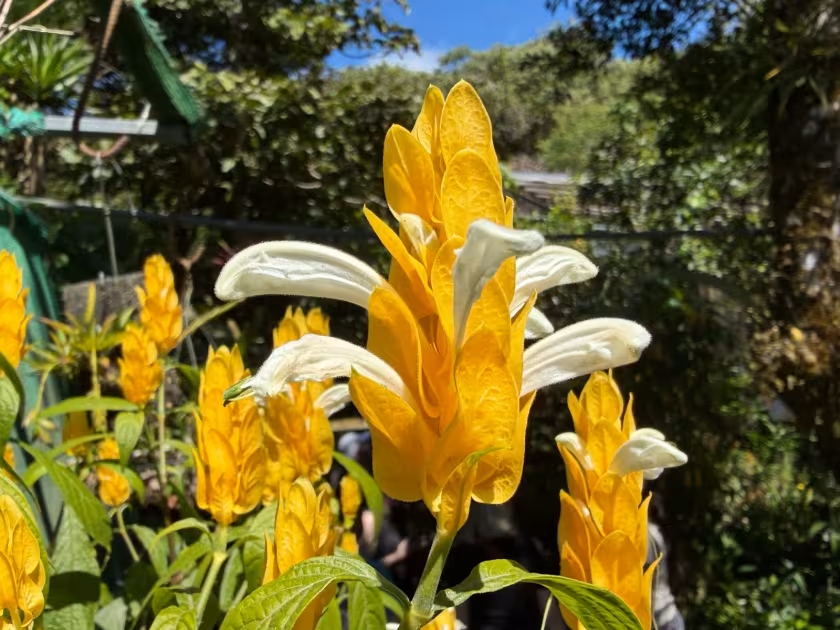
Pachystachys lutea, commonly known as the yellow shrimp plant, is a flowering shrub belonging to the Acanthaceae family. Native to the tropical regions of Peru, it is cultivated globally as a prized ornamental plant known for its vibrant yellow bracts.
This crop thrives in bright, indirect light. While it requires significant sunlight to produce its signature yellow spikes, direct intensity in mid-afternoon can scorch the foliage. Ideal positioning includes east-facing areas with consistent ambient temperature.
The climate requirements for Pachystachys lutea involve high humidity and temperatures between 18°C and 25°C. It is sensitive to cold drafts; therefore, it should be protected from rapid temperature fluctuations that can damage its delicate growth.
Soil quality is paramount for successful cultivation. The plant requires a well-draining, nutrient-rich, slightly acidic substrate. A mixture of peat, loam, and coarse perlite or sand provides the best balance of drainage and moisture retention.
Regular irrigation is essential during the active growing season. The soil should remain consistently moist but never waterlogged. Using high-quality, room-temperature water is recommended to avoid shocking the root system during the frequent watering cycles.
Main diseases and pests
The main pests affecting the yellow shrimp plant are whiteflies, aphids, and spider mites. These insects tend to colonize the underside of leaves. Regular monitoring and misting can deter infestations, though insecticidal soaps may be needed for severe outbreaks.
Root rot is the most common pathology associated with improper moisture management. If the substrate remains too dense or waterlogged, the roots will begin to suffocate, leading to yellowing foliage and potential plant death if not addressed immediately.
Nutrient deficiency, particularly nitrogen and iron, can cause significant chlorosis. Applying a balanced liquid fertilizer every two weeks during the spring and summer supports vigorous growth and enhances the intensity of the golden bracts.
Structural management through pruning is vital for this species. Without regular trimming, the plant tends to become leggy and sparse. Pruning back the stems encourages denser foliage growth and ensures a better display of flowers in the upcoming cycle.
Environmental stress, such as low humidity levels, often leads to crispy leaf edges. Integrating a humidity tray or utilizing a room humidifier can mitigate this issue, ensuring the plant retains its aesthetic appeal throughout the drier winter months.