
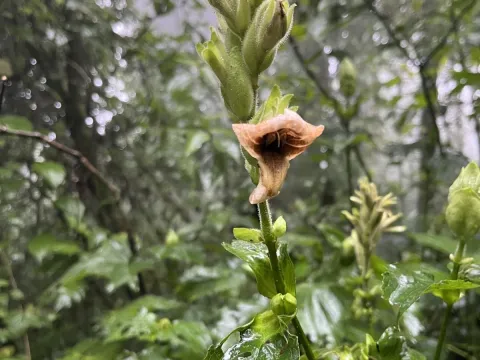
Mimulopsis
Mimulopsis
Mimulopsis is a genus of perennial herbaceous plants belonging to the Acanthaceae family. Originating from the tropical regions of Africa and Madagascar, these plants are well-adapted to the understory of humid forests, where they thrive in nutrient-rich, shaded environments characterized by consistent moisture levels throughout the year.
What the section contains

Mimulopsis
Successful cultivation requires a stable climate with temperatures ideally ranging between 20 and 25 degrees Celsius. The crop is highly intolerant of frost and cold drafts, meaning that in temperate regions, it must be grown exclusively in greenhouses or controlled indoor environments where thermal stability is maintained.
The soil requirements focus on high organic content and excellent aeration. A well-draining substrate mix, typically based on peat or coconut coir with perlite additives, is essential to prevent root asphyxiation, which is a common cause of failure in containerized or indoor production of these tropical species.
Mimulopsis requires high atmospheric humidity, often exceeding 70 percent, to maintain healthy foliage and optimal growth rates. In dry indoor air, the use of humidifiers or regular misting is necessary to prevent the leaves from drying out at the margins, which degrades the plant's aesthetic and physiological quality.
Light management is crucial, as the genus prefers bright but filtered light. Direct exposure to intense solar radiation can cause leaf scorching and cellular damage; therefore, shading techniques are commonly employed to ensure that the light intensity remains within the safety threshold for the foliage.
The most common pests associated with Mimulopsis are spider mites and whiteflies, which often proliferate in the warm and humid conditions required by the plant. These pests feed on plant sap, leading to stunted growth and reduced vigor, requiring immediate and persistent management strategies.
Fungal pathogens, particularly those responsible for root rot and powdery mildew, represent a significant threat to crop health. High humidity combined with poor air circulation creates the ideal environment for fungal spores to germinate and colonize the plant tissue, often leading to rapid systemic collapse.
Preventative measures include maintaining adequate spacing between plants to allow for airflow and ensuring that the substrate does not remain waterlogged. Regular inspection of the undersides of the leaves is recommended to detect early signs of infestations before they become unmanageable.
Chemical control should be used judiciously, prioritizing biological agents when possible to maintain the ecological balance within the greenhouse. If synthetic pesticides are necessary, they must be applied according to specific labels to avoid phytotoxicity, as some species in the Acanthaceae family are sensitive to certain compounds.
Ongoing monitoring for signs of nutrient deficiencies or stress is vital, as weakened plants are significantly more susceptible to opportunistic pathogens. A balanced fertilization program, tailored to the specific growth stage, serves as a cornerstone of disease prevention and overall crop vitality.