
Oplonia spinosa
Oplonia spinosa
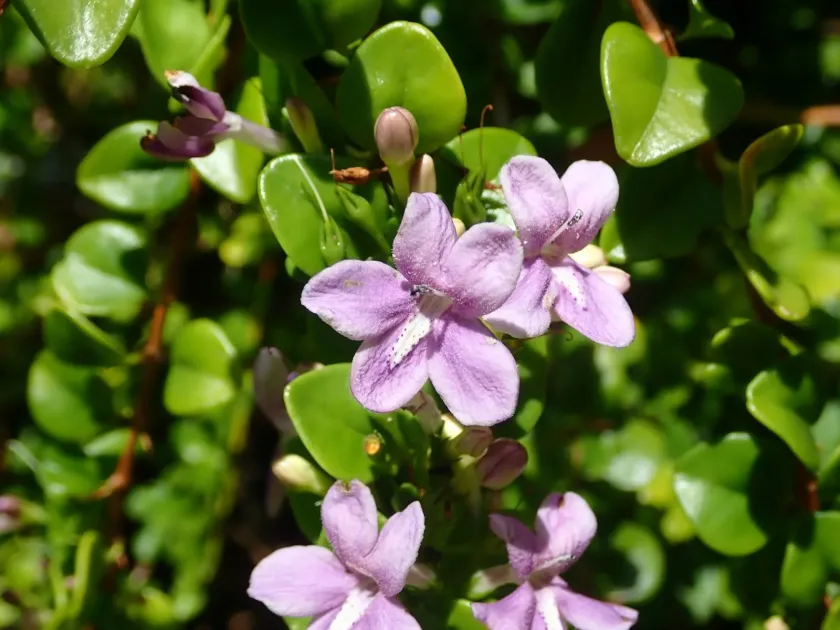
Description
Growing requirements
Oplonia spinosa belongs to the Acanthaceae family, a group known for its diverse tropical species. This plant is a perennial, spiny shrub that possesses specific morphological adaptations, such as rigid thorns, enabling it to survive in challenging environments.
The native range of this species is centered in the Caribbean, particularly on islands like Cuba and Hispaniola. It typically thrives in tropical, seasonally dry forests and scrubland areas, where it can withstand intense sunlight and limited precipitation levels.
In terms of soil requirements, it favors well-drained substrates, often including calcareous or rocky soil types. Proper drainage is essential to mimic its natural habitat and prevent the development of root rot, which is the primary threat to its health in cultivation.
Cultivation practices for Oplonia spinosa focus on establishing a resilient root system. Due to its dense, thorny nature, it is often utilized in its native regions as a natural, living fence or a barrier plant to demarcate land boundaries and manage soil erosion.
While not a commercial food crop, Oplonia spinosa is valued in botanical research and ecological restoration projects. Its ability to grow in nutrient-poor, arid soils highlights its potential for sustainable land management in tropical regions where other vegetation struggles.