
Oplonia microphylla
Oplonia microphylla
Description
Sowing dates
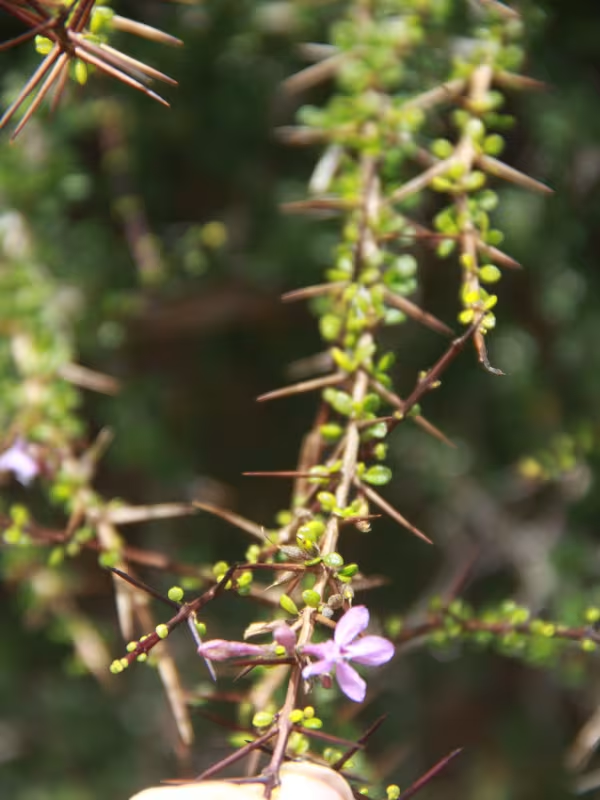
Oplonia microphylla is a member of the Acanthaceae family, known for its distinct botanical structure. Propagation is typically achieved through stem cuttings, which are harvested during the active growing season.
Seed germination requires consistent warmth, ideally between 22 and 25 degrees Celsius, to ensure a high success rate in the initial growth phase of the plant.
The planting medium should be light and well-draining, consisting of a mix of potting soil and perlite, which helps to maintain the necessary aeration for root development.
Seedlings or rooted cuttings should be transitioned to their permanent location only after the risk of frost has completely passed, as the plant is sensitive to temperature shocks.
Adequate spacing is crucial to maintain good air circulation, which prevents the buildup of humidity around the base of the plant and supports vigorous growth.
Growing requirements
This plant thrives in bright, indirect light. While it can handle some morning sun, intense afternoon direct exposure can scorch the delicate foliage and reduce overall growth.
A fertile, well-draining soil with a neutral pH is preferred. Regular moisture is needed, but the soil must never become waterlogged, as this is detrimental to the health of the plant.
Humidity is a key factor for Oplonia microphylla; maintaining moderate to high humidity levels will significantly improve the quality and aesthetic appeal of the foliage.
Fertilization should be applied sparingly throughout the growing season, using a balanced liquid fertilizer to support both leaf growth and overall plant health.
Temperature management is critical, as the species is essentially tropical and cannot survive sustained exposure to temperatures below 10 degrees Celsius without protection.
Main diseases and pests
The most common pests affecting this species include spider mites, which are particularly active when the plant is kept in dry environments with poor air circulation.
Root rot, caused by fungal pathogens such as Pythium or Phytophthora, often occurs when the drainage is insufficient or the irrigation schedule is too aggressive.
Mealybugs and scale insects may also infest the stems, requiring manual removal or the application of specific systemic insecticides to control the population.
Fungal leaf spot diseases are common in areas with stagnant air and excessive moisture, making regular pruning to improve airflow a necessary part of the maintenance cycle.
Early identification of pest infestations is key, and routine inspections of the undersides of leaves can prevent minor issues from becoming major threats to the plant.