
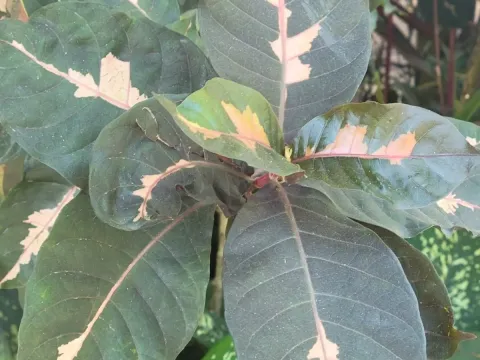
Graptophyllum
Graptophyllum
Graptophyllum is a genus of evergreen shrubs belonging to the Acanthaceae family. Native to tropical regions of Australia, the Pacific Islands, and Southeast Asia, these plants are prized for their ornamental foliage and vibrant, trumpet-shaped flowers.
What the section contains

Graptophyllum
These plants require a warm and stable climate to thrive. Optimal temperatures range between 20°C and 28°C. Being tropical in origin, they cannot tolerate frost or significant temperature drops, which makes them suitable for greenhouse or indoor cultivation in cooler zones.
The ideal growing medium is a nutrient-rich, loose, and well-draining soil mix. Soil pH should ideally be neutral or slightly acidic. Proper drainage is critical, as stagnant water in the pot can quickly lead to root decay and overall plant decline.
Graptophyllum requires bright, indirect light to maintain its variegated or deep-colored leaf patterns. Excessive direct sunlight should be avoided to prevent leaf scorching, while insufficient light can cause the plant to become leggy and lose its foliage luster.
Watering requirements include keeping the soil consistently moist but not waterlogged. Humidity is another vital factor for Graptophyllum; it flourishes when the ambient air humidity is maintained above 60%, often requiring regular misting or humidity trays.
Spider mites are the most common pests affecting Graptophyllum, especially in environments with dry air. These microscopic pests thrive in low-humidity conditions and can severely damage leaves if left untreated.
Scale insects represent another significant threat to the health of these shrubs. They typically cluster along the stems and leaf veins, sucking sap and weakening the plant structure over time.
Root rot is a frequent issue caused by overwatering or soil that is too dense. To prevent this, growers should ensure proper aeration and drainage and always allow the top layer of the substrate to dry out between watering sessions.
Fungal leaf spot diseases can emerge if the foliage remains wet for extended periods or if air circulation is poor. Improving ventilation and avoiding overhead watering helps minimize the risk of such infections.
Regular maintenance practices, including physical inspection of leaves and cleaning the plant, are essential for pest management. Utilizing systemic insecticides or insecticidal soaps can control infestations before they cause irreversible damage.