
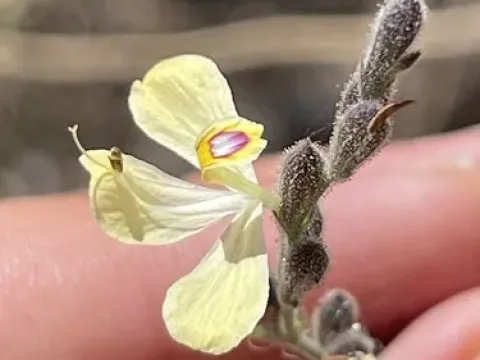
Henrya
Henrya
The genus Henrya belongs to the Acanthaceae family, a group of flowering plants known for their diverse forms and distribution throughout tropical environments.
What the section contains

Henrya
Successful cultivation of Henrya requires a well-draining soil mix that remains moist but not waterlogged. Using organic amendments can improve nutrient retention and soil structure significantly.
These plants thrive in indirect, bright light conditions. In a controlled agricultural or greenhouse environment, shade cloth is often employed to mimic the natural canopy cover.
Maintaining a steady tropical temperature range between 22°C and 28°C is essential for the healthy physiological function and continued growth of the species.
Agricultural practices should focus on maintaining high humidity levels and preventing sudden temperature drops, which are detrimental to these tropical perennials.
Common pests affecting Henrya include spider mites and mealybugs, which tend to congregate on the underside of leaves and in the axils of the stems.
Fungal issues such as leaf spot or root rot are typical threats, usually triggered by poor air circulation or over-saturation of the potting medium.
Integrated pest management (IPM) strategies, including the use of neem oil or insecticidal soaps, are effective for controlling mild infestations without damaging the plant tissue.
Strict hygiene in the growing area is crucial; removing fallen leaves and debris reduces the risk of fungal spores taking hold in the damp environment.
Regular inspections and maintaining a balanced irrigation schedule remain the primary defenses against both biotic and abiotic threats to the plant's health.